Introduction to the Medicinal Plant Belladonna
A homeopathic remedy whose active ingredient is belladonna (Atropa belladonna), a perennial herbaceous plant in the Solanaceae family.
Widely found in alpine regions, Atropa belladonna is a plant that possesses numerous therapeutic properties despite its high toxicity.
Belladonna is a homeopathic remedy frequently used due to its many therapeutic properties. It is particularly effective for treating acute conditions, inflammation, and high blood pressure. We will explore the various applications of Belladonna in homeopathy and how it can be combined with other homeopathic remedies to enhance its effectiveness.
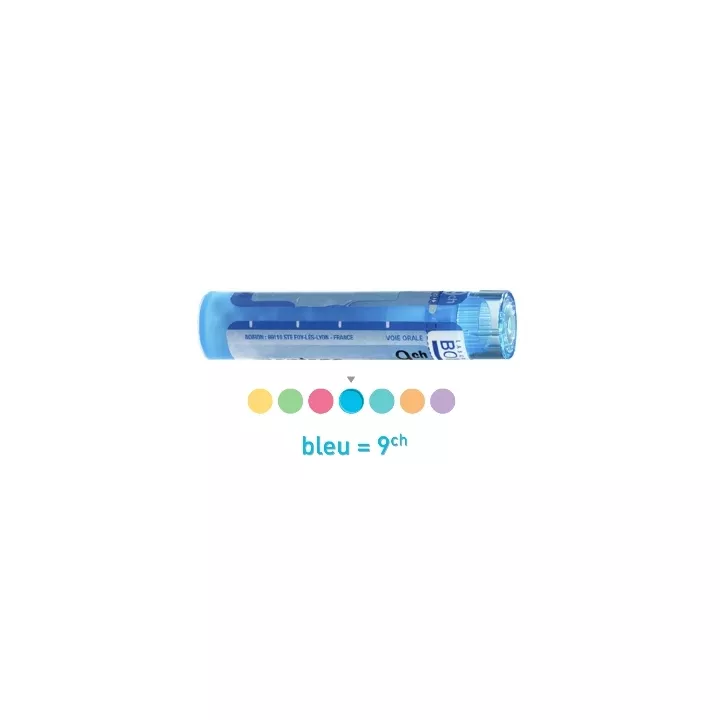
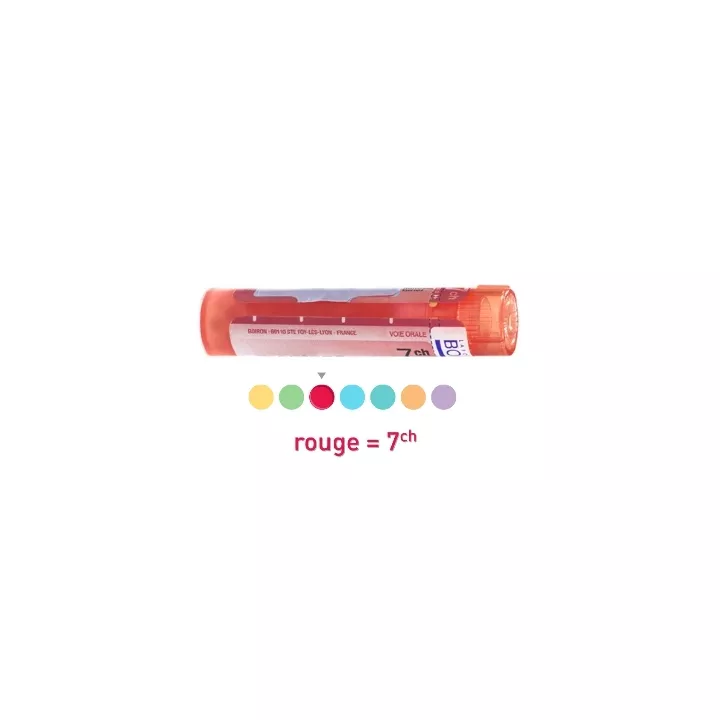
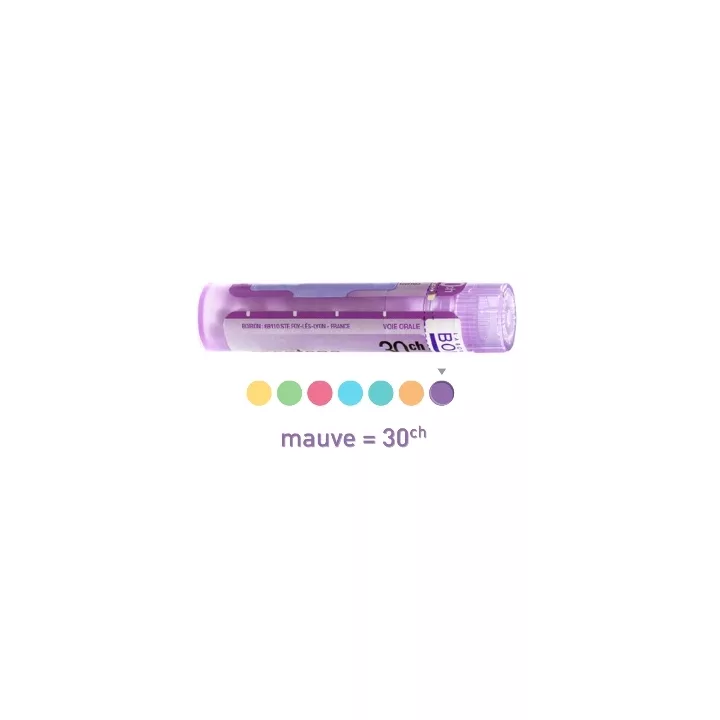
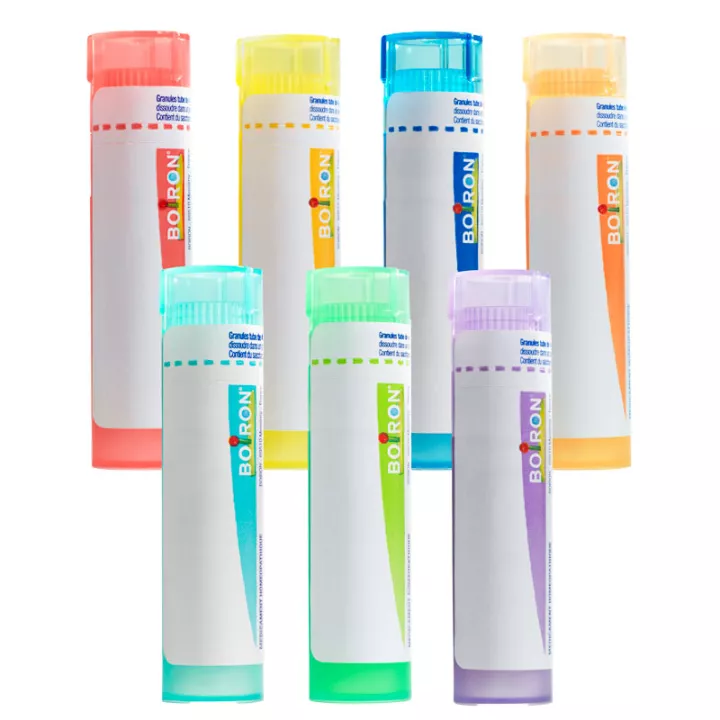
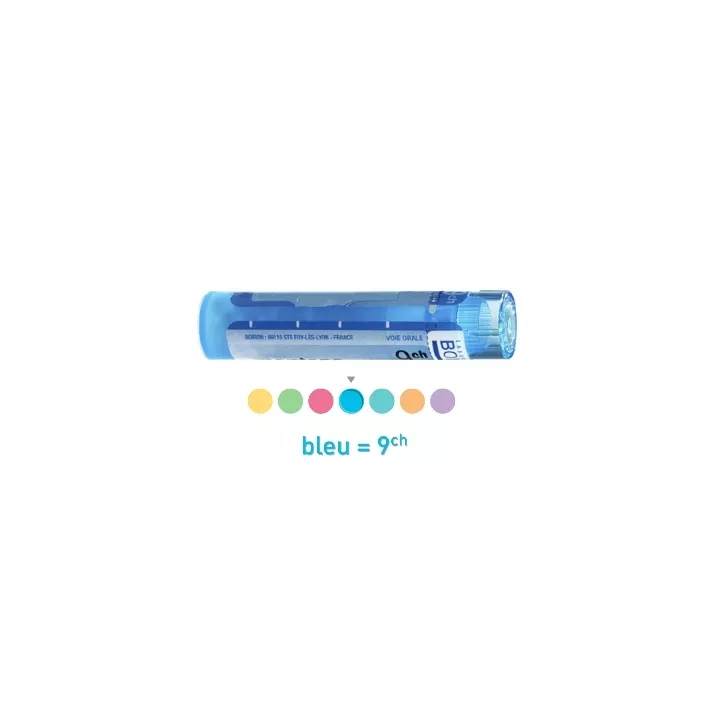
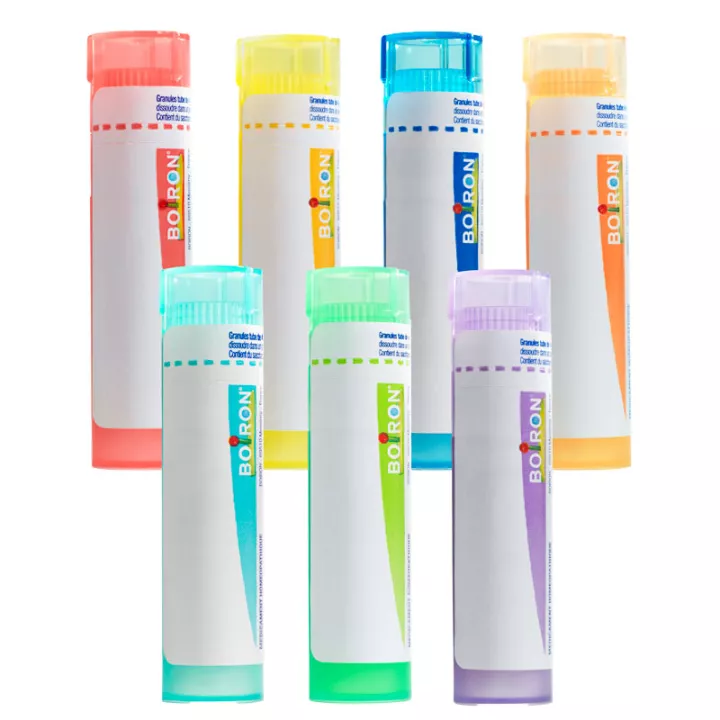
Belladonna 4CH, 5CH, 7CH, 9CH, 12CH, 15CH, 30CH is available in our online pharmacy as homeopathic granules from Boiron Laboratories
French name: BELLADONE
Registered medication: EH00045
Listed in the pharmacopoeia
Origin: Plant-based
Belladonna: A homeopathic remedy for acute conditions
Belladonna is generally recommended for sudden-onset conditions accompanied by dry mucous membranes, a sensation of heat in the face, and throbbing pain. Inflammatory signs such as redness, heat, pain, and swelling are also indications for the use of Belladonna.
The Efficacy of Belladonna in Treating Fever
In cases of fever accompanied by profuse sweating and variable thirst, Belladonna proves to be an effective remedy. Depending on the type of thirst experienced, it can be combined with other homeopathic remedies to increase its effectiveness:
Belladonna and Hypertensive Problems
Belladonna is also indicated for hypertensive crises and headaches associated with high blood pressure. For people suffering from this type of problem, it is recommended to monitor their blood pressure regularly, follow lifestyle and dietary guidelines, and receive medical supervision.
It is important to note that taking Belladonna for hypertension should not replace the conventional treatment prescribed by your cardiologist or primary care physician. Homeopathy should be considered a complement to conventional treatment.
Indications for Belladonna in granule tubes
Primarily used to treat fever and acute respiratory conditions, Belladonna offers numerous therapeutic properties in homeopathy.
Common Uses of Belladonna in Homeopathy
Belladonna is frequently indicated for:
- Acute fevers of various origins
- Nasopharyngitis, tracheitis, tonsillitis, and ear infections
- Extensive red skin rashes
- Headaches
- Sunstroke and first-degree burns
- Hiccups
- Menopausal hot flashes
- Hypertensive crises accompanied by headaches
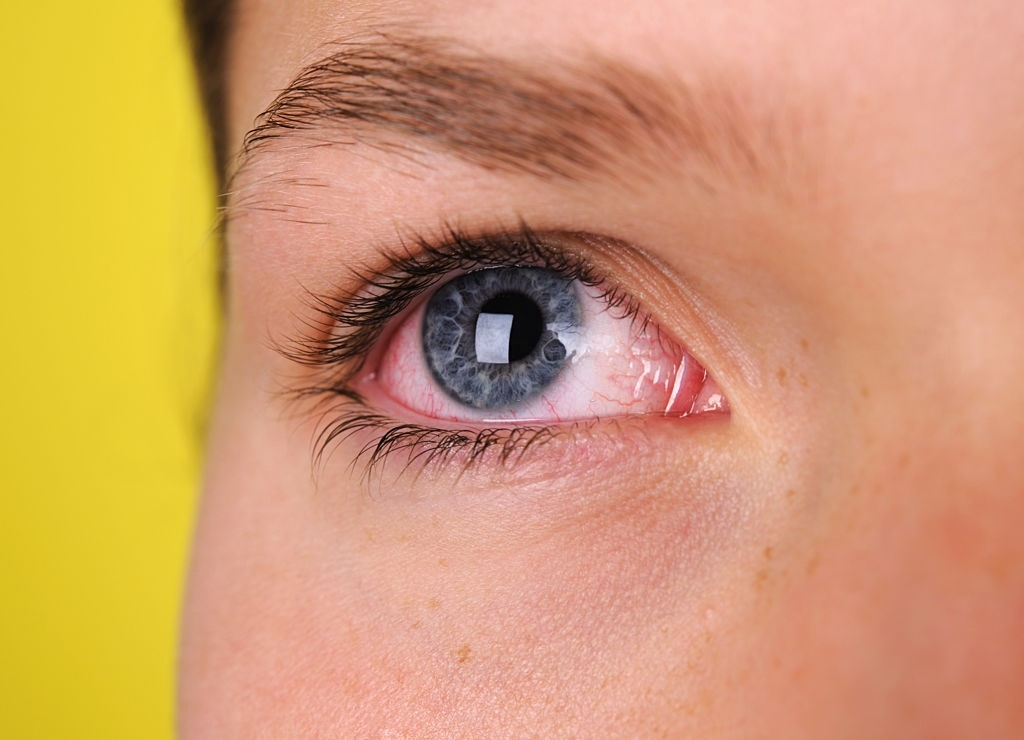
- Conjunctivitis with dry eyes, styes, and contact lens intolerance due to dryness of the conjunctiva
Signs Confirming the Use of Belladonna
The use of Belladonna is indicated when the following symptoms are present, either alone or in combination:
- Signs of inflammation: redness, warmth, tenderness, and swelling
- Signs of dry mucous membranes: dry mouth, dry conjunctiva, dry nose
- Signs of congestion: flushed face, dizziness, palpitations, sweating, headache
- Behavioral disturbances: hypersensitivity to light or cold, fever with delirium, hallucinations, convulsions, alternating states of agitation and depression
Use of Belladonna in Infectious Diseases
Belladonna is useful in cases of rapidly onset fevers (intense facial heat and profuse sweating) as a complement to prescribed medications.
The homeopathic remedy Belladonna is recommended for the following signs of infection: inflammation (redness, heat, throbbing pain), and a sensation of dryness in the mouth, throat, nose, or eyes.
In cases of tonsillitis, Belladonna is the most commonly indicated remedy. Characteristic symptoms include a high fever, a red throat, warm skin, and intense thirst—though this is accompanied by spasmodic constrictions of the pharynx that prevent the patient from drinking.
Homeopaths also recommend Belladonna for congestive laryngitis with a sensation of dryness and a dry, spasmodic cough.
Use of Belladonna in Inflammatory Conditions and Burns
As a complement to topical treatments (ointments), the homeopathic remedy Belladonna can significantly reduce the aftereffects of radiation dermatitis (exposure to radioactive agents), sunburn, heatstroke, and first-degree burns.
Belladonna is useful for headaches accompanied by redness on the head.
Other traditional indications for Belladonna in homeopathy
- Sudden ocular congestion with dilated, fixed pupils. Intense photophobia.
- Abdominal and intestinal spasms with enteritis.
- Acute congestion of the ovario-uterine system; hemorrhage with hypersensitivity.
Dosage of Belladonna in granule tubes
For short-term conditions, Belladonna homeopathic remedies (5CH and 9CH) should be taken every hour until symptoms improve. Once improvement is seen, doses should be spaced out to 3 or 4 times a day, then gradually discontinued.
For chronic conditions, Belladonna remedies in low dilutions (greater than 9CH, up to 15CH) are taken 1 to 2 times a day, or even once a week, or once a month for constitutional treatments. In all cases, the dosage of Belladonna must be determined by your homeopathic physician.
- In cases ofinfectious diseasesorheadaches, Belladonna should always be considered.Belladonna4 to 9CH: 5 granules every 1 to 2 hours depending on the severity of the condition, then space out doses as improvement occurs. The more the patient exhibits signs of congestion(redness, heat, pain, swelling), throbbing, or profuse sweating, the higher the dilution should be.
- Forfever with delirium:Belladonna15 to 30 CH: 5 granules every 10 to 15 minutes.
- In casesof heatstroke:Belladonna9 CH: 5 granules every hour, then space out doses as the condition improves. Treatment for 24 hours.
- Forhypertensive crises orhot flashes:Belladonna9 CH: 5 granules per day for 3 months.
- Foreye conditions:Belladonna5 CH: 5 granules 6 times a day, then gradually reduce the dosage as symptoms improve. The treatment duration is 4 days for acute conjunctivitis and 6 months for dry eyes.
Tips for Using Belladonna and Instructions for Use
Remove the tab, turn the tube upside down, pull the cap slightly, and twist the tube to dispense the desired number of granules into the cap, then place the granules under the tongue. It is recommended not to touch the granules with your fingers.
Belladonna Packaging and Contents
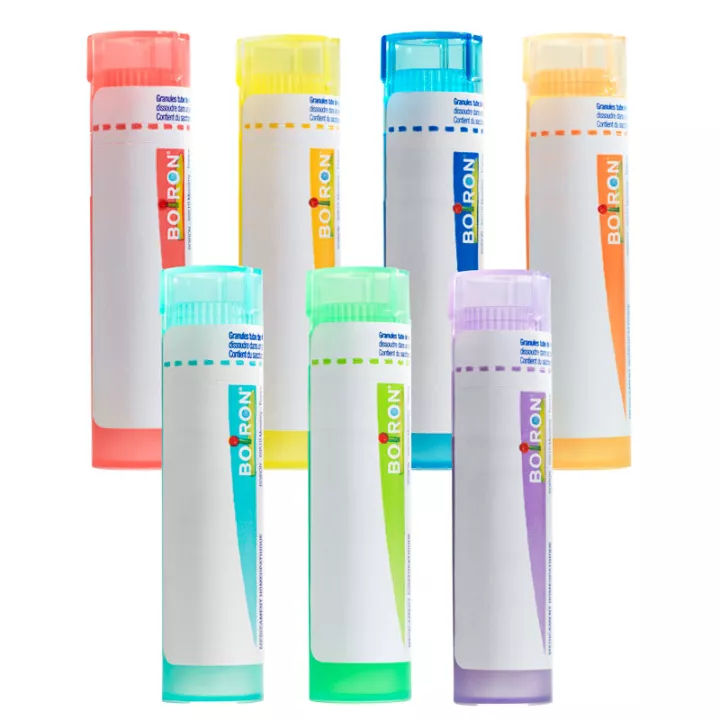
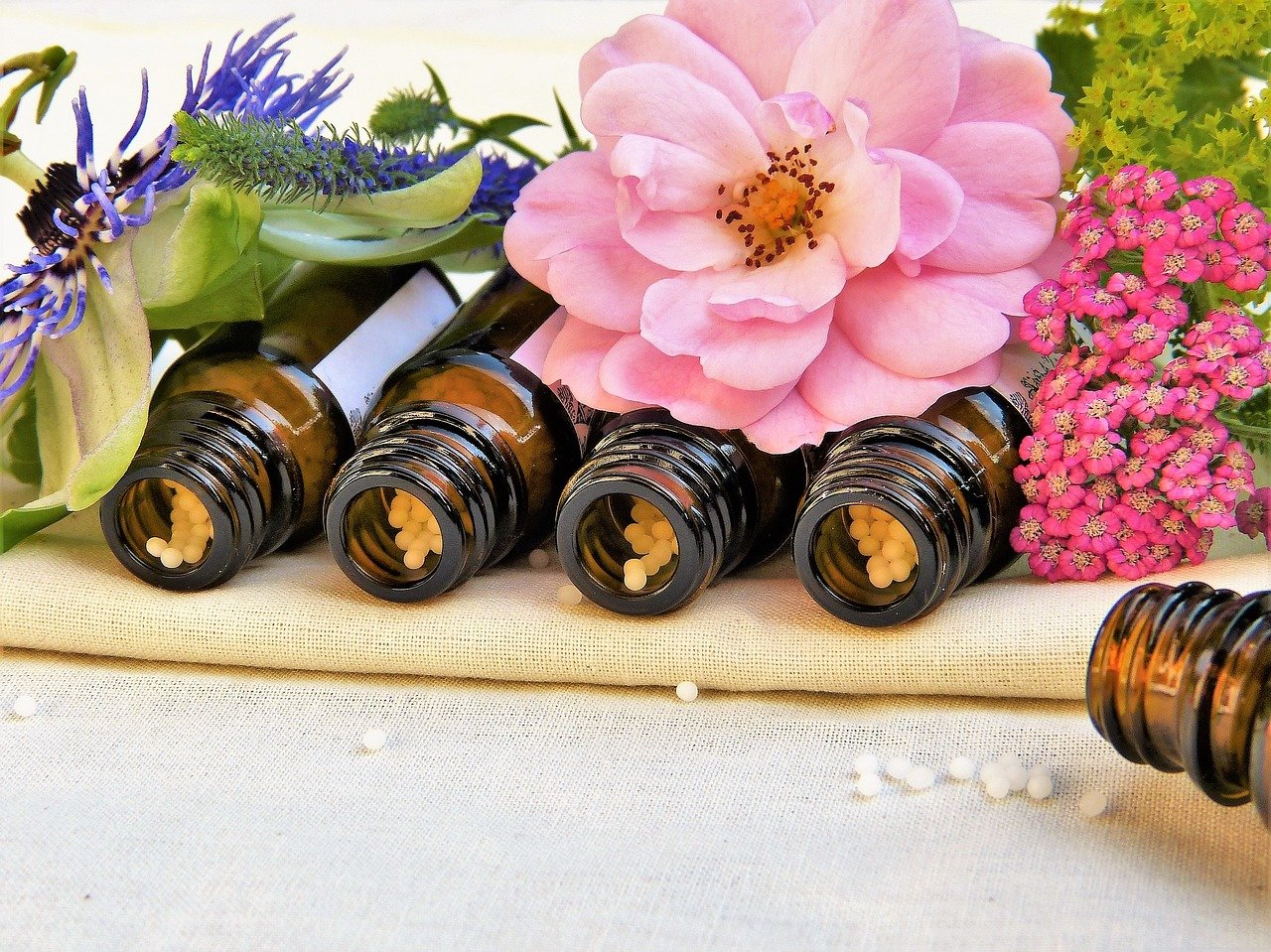
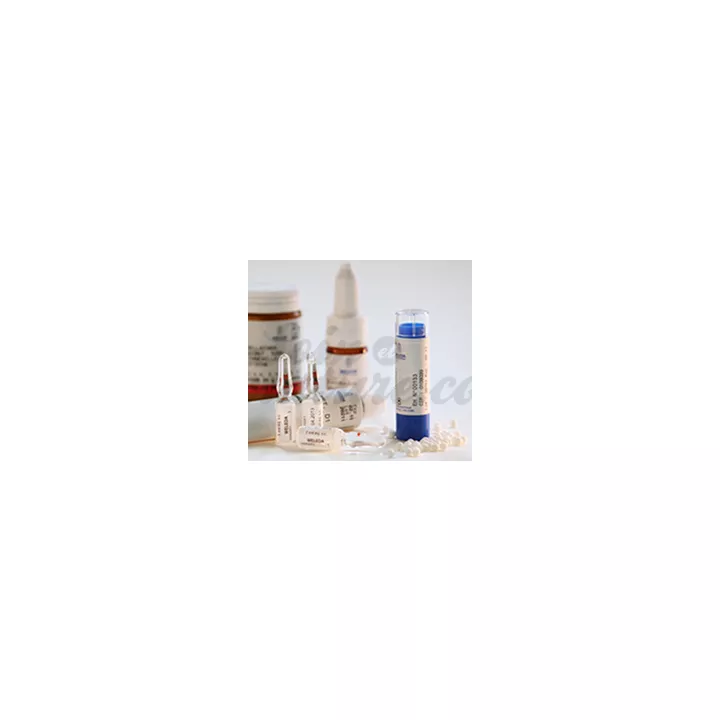
Translucent granule tube (allows you to see the remaining granules). Weight: 4 g. Approximately 80 granules.
Precautions for Use with Belladonna
We recommend using a toothpaste compatible with homeopathic treatments (such as Boiron’s Homéodent).
Do not consume astringent substances—such as coffee, tobacco, camphor, mint, or chamomile—within half an hour before taking homeopathic medications.
Warning
Contains sucrose.
Store Belladonna homeopathic remedies away from light, heat, moisture, and any sources of fumes or fragrances.
Administering Belladonna homeopathic granules to infants and children
For Belladonna granules or alcohol-based drops, dissolve them in 100 ml of water. Since the granules take a long time to dissolve, you should prepare the mixture in advance.
Homeopathy and Pregnancy
The homeopathic remedy Belladonna has no chemical toxicity, no contraindications, and no interactions with other medications. Pregnant women can use it without any known risk to themselves or their unborn child, but it is best to consult their homeopath for advice.
What to Do If There Is No Improvement Within 24 Hours
Certain conditions cannot be treated with homeopathy simply by self-medicating with Belladonna. Their severity requires medical advice, which can be provided by a homeopathic physician. This doctor will determine whether your condition can be treated with homeopathy alone or if your treatment needs to be supplemented with allopathic medicine.
It is important to consult a healthcare professional before using Belladonna, especially if you are pregnant, breastfeeding, or taking other medications. Always follow the practitioner’s instructions and adhere to the recommended dosages.