Ginkgo Biloba Granules, Dose, and Homeopathic Oral Drops by Boiron
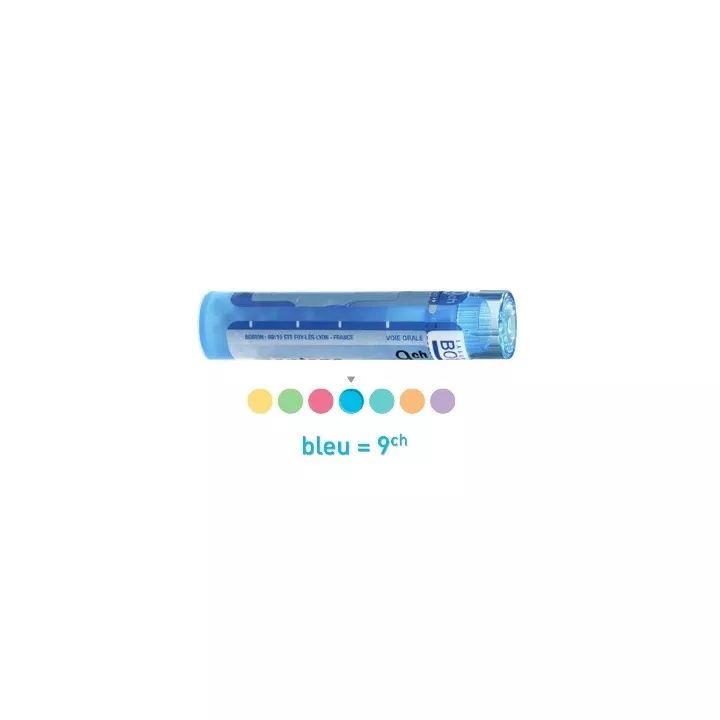
Discover GINGKO BILOBA from Boiron Laboratories, a valuable homeopathic remedy in neurology for the relief of migraines, headaches, and headaches localized on the left side. Choose natural relief and improve your well-being with GINKGO BILOBA 9CH.
If there is no improvement within 24 hours, consult your homeopathic physician. Available in Korsakovian dilutions of 200K and 1,000K
Ginkgo Biloba exemplifies homeopathy’s ability to adapt traditional remedies for modern applications. Its many forms of preparation ensure that practitioners can choose the most appropriate method for each patient, based on their health status and specific needs. By incorporating Ginkgo Biloba into a homeopathic treatment plan, practitioners can leverage its time-tested properties to improve overall health and well-being.
Indications and Dosage
The homeopathic physician selects the appropriate remedy, dilution, and dosage based on the patient’s health condition and characteristic symptoms.
Single-dose homeopathic globules can be used for a variety of symptoms; therefore, it is not possible to specify the indications and dosage for a specific preparation.
Ginkgo Biloba Boiron: Homeopathic Treatment for Migraines and Headaches
Use in Neurology
Ginkgo Biloba, available from Boiron in granules, tablets, and oral drops, is a homeopathic remedy commonly used to treat various neurological disorders, including migraines and headaches. This remedy is specifically indicated for migraines localized on the left side of the head, as well as for left-sided supraorbital or temporal headaches.
Effectiveness Against Migraines
Ginkgo Biloba is recognized for its beneficial effects on cerebral circulation, which may help reduce the frequency and intensity of migraines. By improving microcirculation in the brain, this medication helps relieve the symptoms associated with these types of headaches.
GINKGO BILOBA 9CH: Your Homeopathic Ally in Neurology
Key Indications
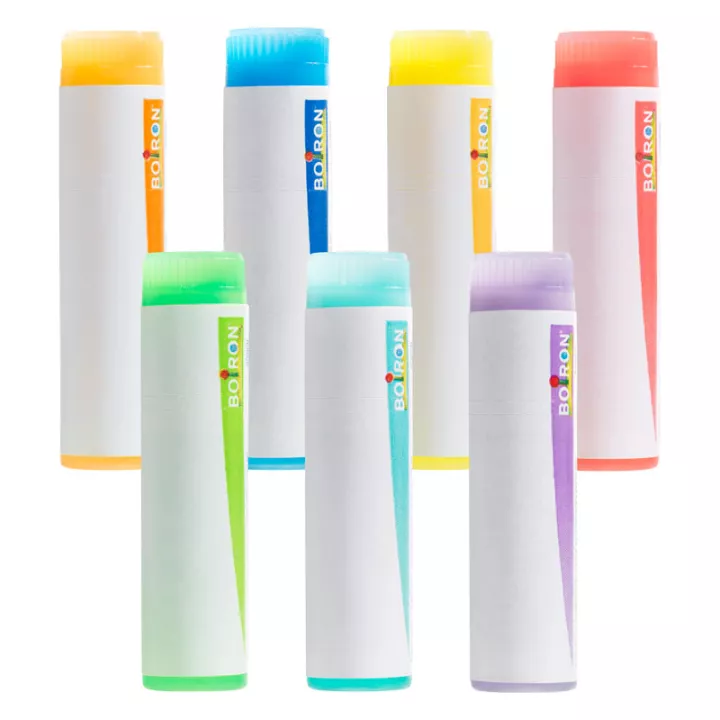
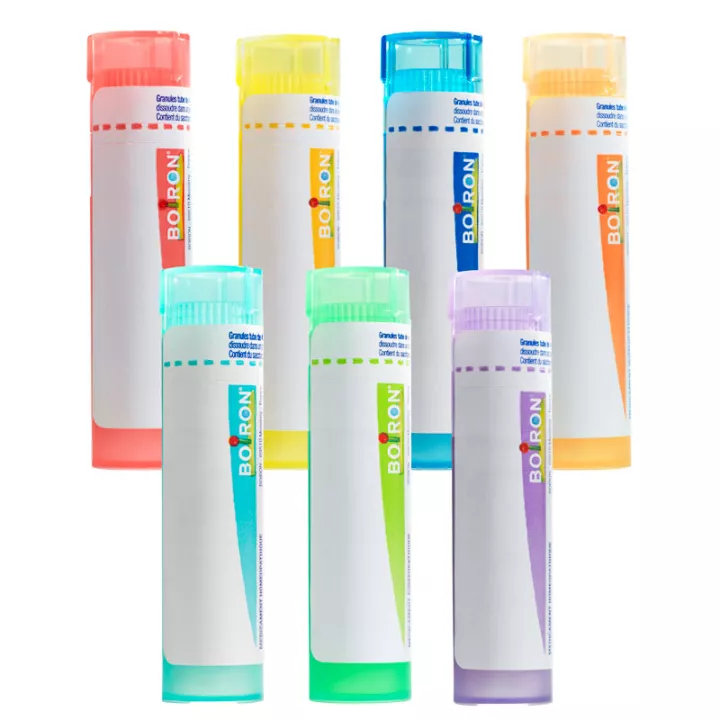
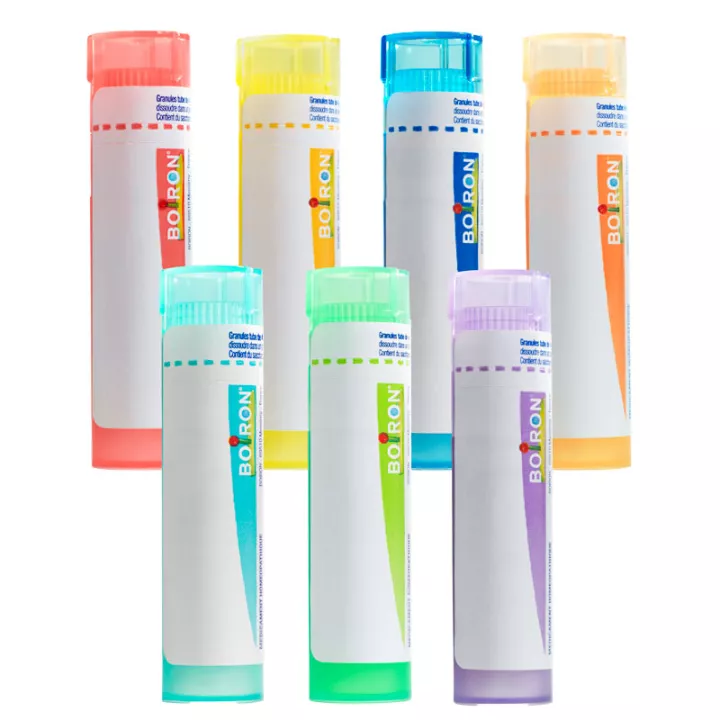
GINKGO BILOBA 9CH Granule Tube, from Boiron Laboratories, is a valuable homeopathic remedy used in neurology. Explore its main indications and discover how it can provide you with natural and effective relief.
Neurology: Migraine and Headache
In neurology, GINGKO BILOBA 9CH is specifically indicated for the treatment of left-sided migraines. If you’re struggling with intense, recurring headaches on the left side, this homeopathic remedy can provide welcome relief. In addition, it is effective for migraines and headaches affecting the area above the left eye or the left temple. GINGKO BILOBA 9CH is designed to target these specific symptoms and help you regain comfort.
Discover Natural Relief with GINGKO BILOBA 9CH
If you’re looking for a homeopathic remedy to treat migraines, headaches, and headaches localized on the left side, GINGKO BILOBA 9CH is here for you. Choose a natural and effective solution for neurological conditions. Free yourself from pain and regain your well-being with GINGKO BILOBA 9CH.
Therapeutic Uses
In homeopathy, Ginkgo Biloba is primarily used to:
- Improving cerebral circulation: It is often prescribed to help improve concentration and memory, particularly in older adults.
- Treating peripheral circulatory disorders: It helps relieve symptoms such as heavy legs and cold feet by improving blood circulation.
- Reducing symptoms of dizziness and tinnitus: Through its effect on circulation, it may be beneficial for people suffering from dizziness and ringing in the ears.
- Support for mild depressive symptoms: Thanks to its effects on the nervous system, ginkgo may help stabilize mood and reduce symptoms of mild depression.
Directions for Use
Remove the tab, turn the single-dose tube upside down, and gently pull the cap.
Place all the granules from the dose under the tongue.
It is recommended that you do not touch the homeopathic granules with your fingers.
The globules in the single-dose tubes are absorbed all at once by allowing them to dissolve slowly under the tongue.
If a single-dose tube is not available, take 10 granules of the same dilution.
It is recommended to use a mint-free toothpaste (such as Homéodent Boiron).
Recommendations for Optimal Effectiveness
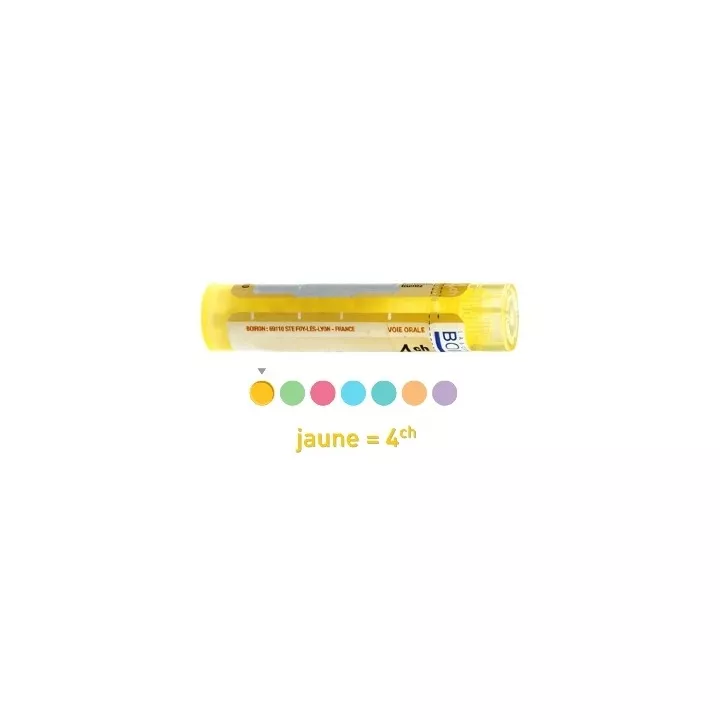
For optimal use of Ginkgo Biloba in the treatment of migraines and headaches, it is recommended to take 5 granules at the appropriate dilution (4CH, 5CH, 7CH, 9CH, 15CH, 30CH, 4DH, 6DH, 8DH), depending on your needs or the recommendations of a healthcare professional. The remedy should be taken between meals for optimal absorption.
How long does it take to see improvement with Ginkgo Biloba?
Improvement may vary depending on the individual and the severity of symptoms. Regular use may lead to a reduction in symptoms after several weeks.
Are there any side effects from using Ginkgo Biloba?
Ginkgo Biloba is generally well tolerated, and side effects are rare in homeopathic use. However, if you experience any unusual reactions, it is important to consult a healthcare professional.
Can Ginkgo Biloba be used alongside other migraine treatments?
Yes, Ginkgo Biloba can be used alongside other medical treatments for migraines. It is important to consult a healthcare professional to ensure that the treatments are compatible and to avoid interactions.
Is Ginkgo Biloba suitable for all ages?
Ginkgo Biloba can be used by people of various ages who suffer from migraines. However, it is recommended to consult a healthcare professional to determine the appropriate dosage, especially for children and the elderly.
Packaging and Quantity
Ginkgo biloba, famous for its unique fan-shaped leaves and its millennia-old history, is widely used in traditional medicine and now in homeopathy for its many beneficial properties. This article explores the role of Ginkgo Biloba in homeopathy, its various forms of preparation, and its potential therapeutic applications.
Origin and Composition
Native to Asia, Ginkgo Biloba is one of the oldest known trees, with a rich history of medicinal use. Listed in the French and European Pharmacopoeias, it is recognized for its beneficial effects on blood circulation and cognitive function. In homeopathy, this plant is used not only for these properties but also for its impact on the nervous and circulatory systems.
Forms of Preparation
Ginkgo biloba is available in several homeopathic forms, allowing for flexible use based on the patient’s needs:
- Potencies: available in 7 CH, 9 CH, 15 CH, and 30 CH.
- Drops (alcohol-based): available in 4 DH and 6 DH dilutions, used for rapid and effective absorption.
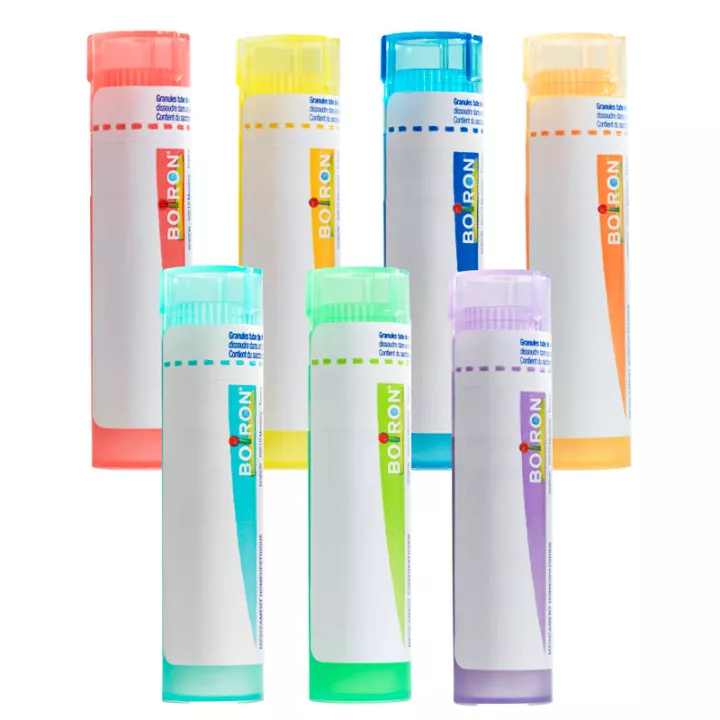
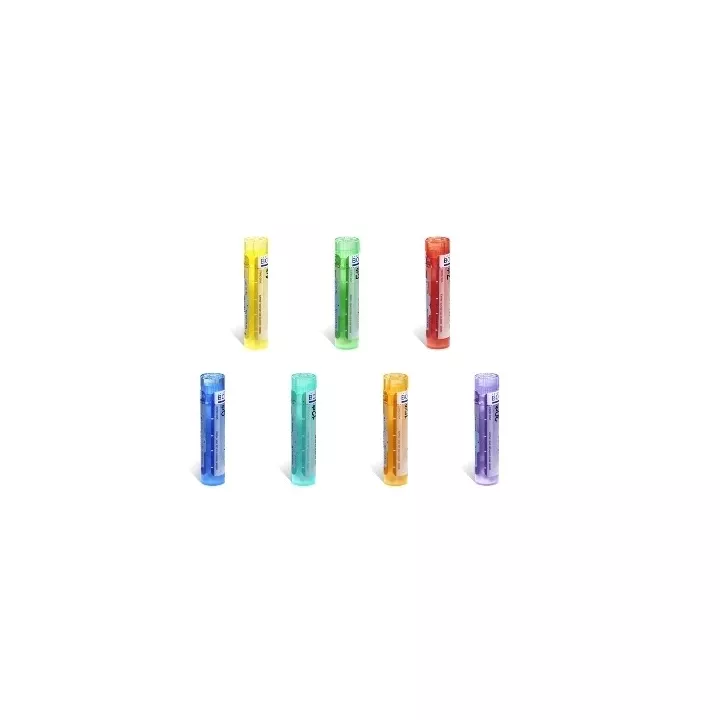
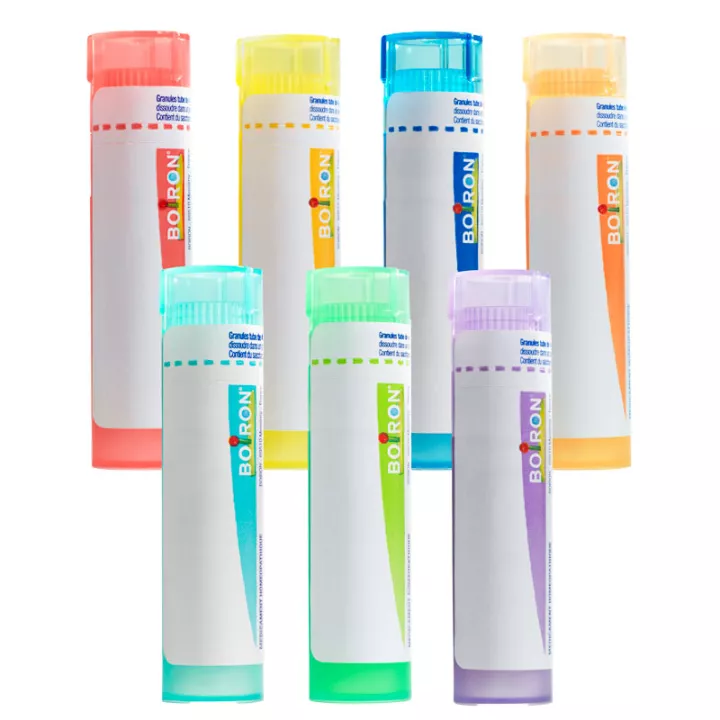
- Tubes: The granules are prepared in 4 CH, 5 CH, 7 CH, 9 CH, 15 CH, 30 CH, 6 DH, and 8 DH.
- Compounded Preparations: Hahnemannian dilutions starting at 2 CH and Korsakovian dilutions at 200K, 1,000K, and 10,000K allow for customized preparations to meet the specific requirements of treatments.
Precautions for Use
Warning
Contains sucrose. Store single-dose homeopathic medicines away from light, heat, moisture, and any sources of fragrance.
Administering single-dose homeopathic granules to infants and children
For single-dose packets or alcohol-based drops, dissolve them in 100 ml of water.
Since the granules take a long time to dissolve, you should prepare your mixture in advance.
Homeopathy and Pregnancy
Single-dose homeopathic remedies have no chemical toxicity, no contraindications, no interactions with other medications, and no adverse effects related to the amount ingested.
Pregnant women can use these remedies without any known risk to themselves or their unborn child, but it is best to consult your pharmacist or homeopathic doctor if you have any doubts.
Frequency of Homeopathic Use
For acute conditions, it is recommended to take single-dose homeopathic remedies every hour until symptoms improve. Once symptoms improve, space out doses to 3 or 4 times a day, then gradually stop.
For chronic conditions, remedies in low dilutions (>9CH) are taken 1 to 2 times a day, while single-dose constitutional remedies are taken once a week or even once a month. This decision is up to your homeopath.
What to Do If There Is No Improvement Within 24 Hours
Certain conditions cannot be treated with homeopathy through self-medication alone. Their severity requires medical advice, which can be provided by a homeopathic physician. This medical doctor will determine whether your condition can be treated with homeopathy alone or whether your treatment needs to be supplemented with allopathic medicine.