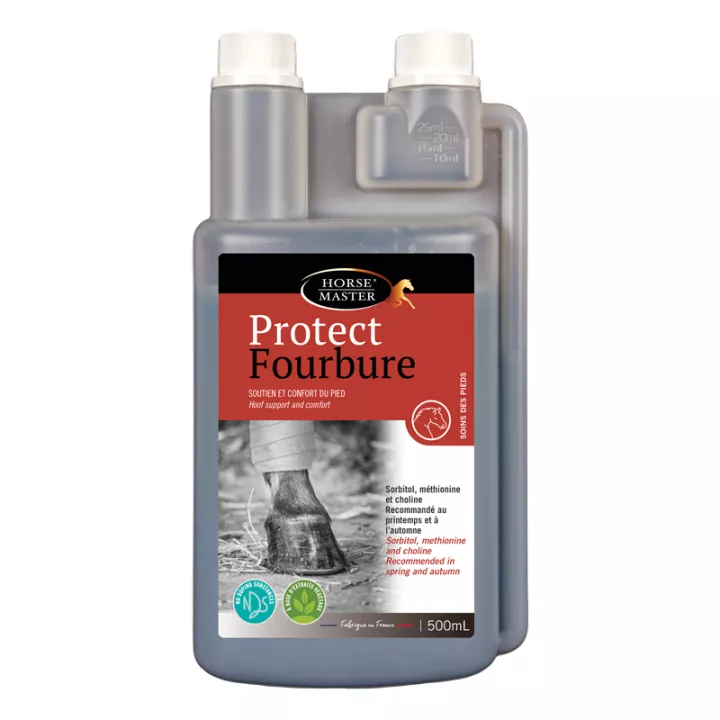
What is Farnam Protect Fourbure for Horses 500 ml Oral Solution used for?
Protect Fourbureis a natural formula specially developed for horses and ponies prone tolaminitis.
Protect Fourbure helps to:
- Eliminate toxins from the horse’s system: (Vitamin B12, Methionine, Choline, Betaine, Milk Thistle: silymarin)
- Promote the elimination of toxins through urine via a diuretic effect
- Improve blood circulation (by lowering blood pressure and improving blood flow)
- Reduce inflammation
Regular use of Protect Fourbure can help prevent the onset of laminitis in horses and ponies predisposed to the condition. Additionally, it can help alleviate symptoms in equines already affected by this condition, thereby improving their quality of life.
Toxin elimination is essential for maintaining horses’ overall health. Protect Fourbure acts as a powerful detoxifier, helping to eliminate harmful substances that could trigger or aggravate laminitis.
The ingredients in Protect Fourbure, such as Vitamin B12 and Methionine, support equine metabolism. A balanced metabolism is crucial for preventing imbalances that can lead to laminitis.
By promoting better blood circulation and reducing inflammation, Protect Fourbure contributes to the overall well-being of horses and ponies. Healthier hooves and reduced pain associated with laminitis significantly improve their quality of life.
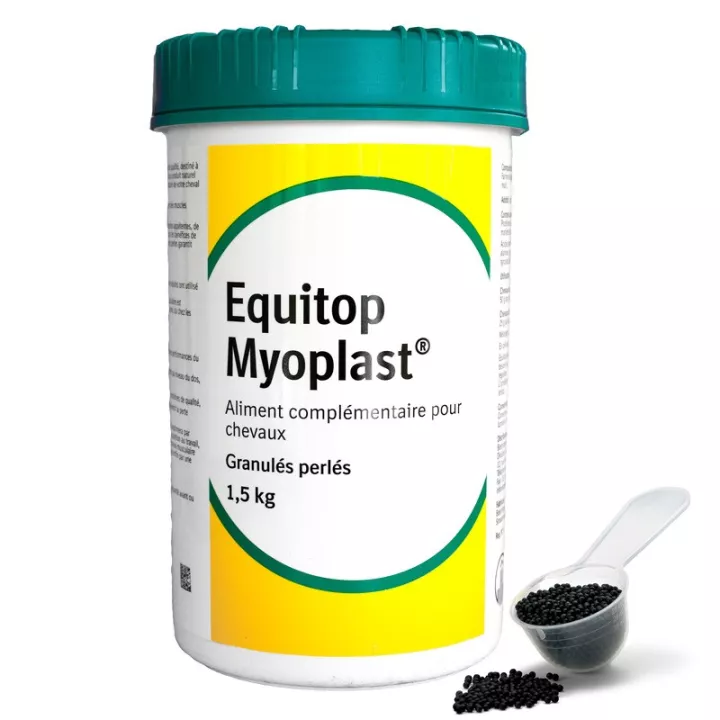
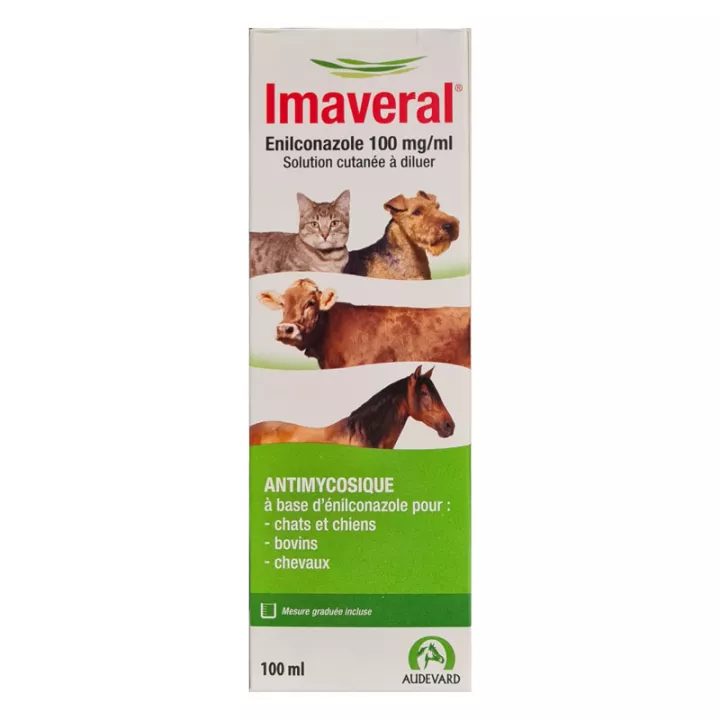
We also offer the Redplex + supplement from the Audevard Veterinary Laboratory in 1L bottles at the best price in our online pharmacy.
How should this supplement be used in cases of laminitis?
For maintenance: mix 25 ml per day (15 ml for a pony) into the feed for one week each month.
During an episode: Mix 50 ml per day (40 ml for a pony) for one week or longer if necessary.
A 500-ml bottle of Protect Laminitis provides a 3-month supply for preventive use.
Share your feedback on the usage instructions and dosage for FARNAM Protect Laminitis 500 ml Oral Solution for Horses with our partner Verified Reviews after your purchase.
Precautions for Use
Formulated for horses – Keep out of reach of children
Store in a cool, dry place—close tightly after use.
Does not contain any substances prohibited by the FEI.
What is its composition?
Blend of aromatic herbs (Ginkgo biloba, green anise, milk thistle, etc.), sorbitol, methionine, choline, betaine, vitamin B12, citric acid, sorbic acid, calcium propionate, flavorings, manganese (sulfate), copper (sulfate), zinc (sulfate), iron (sulfate), magnesium chloride, salt, magnesium oxide.
Packaging
500-ml measuring bottle
Our advice and expert opinions from pharmacists
Laminitis is a serious condition affecting horses, characterized by painful inflammation of the soft tissues inside the hoof capsule, particularly in the front legs or all four legs. This condition can progress to severe and persistent stages, leading to serious consequences for the horse’s health. It is essential to understand the fundamentals of laminitis to fully appreciate the importance of FARNAM’s Protect Fourbure in its management.
Laminitis can manifest in two main forms: acute and chronic. Each of these forms presents specific challenges for horse owners. Acute laminitis, often referred to as a “flare-up,” is a sudden and intense condition. Horses with acute laminitis may exhibit severe symptoms such as a stiff gait, a planted stance, difficulty making tight turns (especially on hard ground), excessive heat in the feet, and an increased digital pulse (palpable pulsations at the base of the fetlock). These signs are often alarming to owners, and prompt intervention is necessary to relieve pain and minimize damage to the hooves.
Chronic laminitis, on the other hand, is a condition of persistent discomfort that can last for long periods. The symptoms are generally less severe than those of acute laminitis, but they constantly affect the horse’s quality of life. Horses with chronic laminitis may exhibit a stiff and uncomfortable gait, difficulty moving and standing up, as well as constant sensitivity in the feet. Long-term management of this form of laminitis is essential for the animal’s well-being.
In addition to the symptoms mentioned, laminitis can also lead to serious complications. Prolonged inflammation of the soft tissues can result in necrosis (tissue death), which exacerbates pain and can cause the distal phalanx to tilt or sink inside the hoof. In the most severe cases, this can even lead to perforation of the sole, a life-threatening condition for the horse.