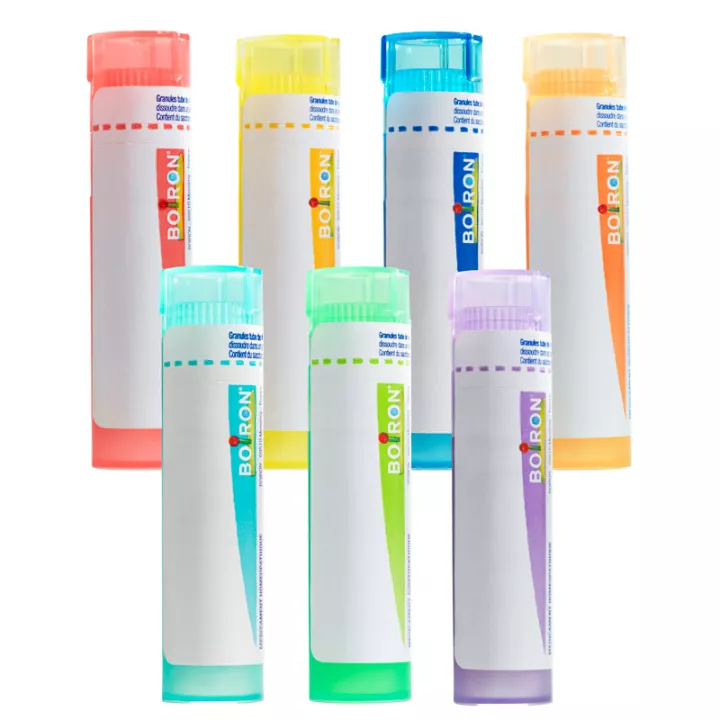
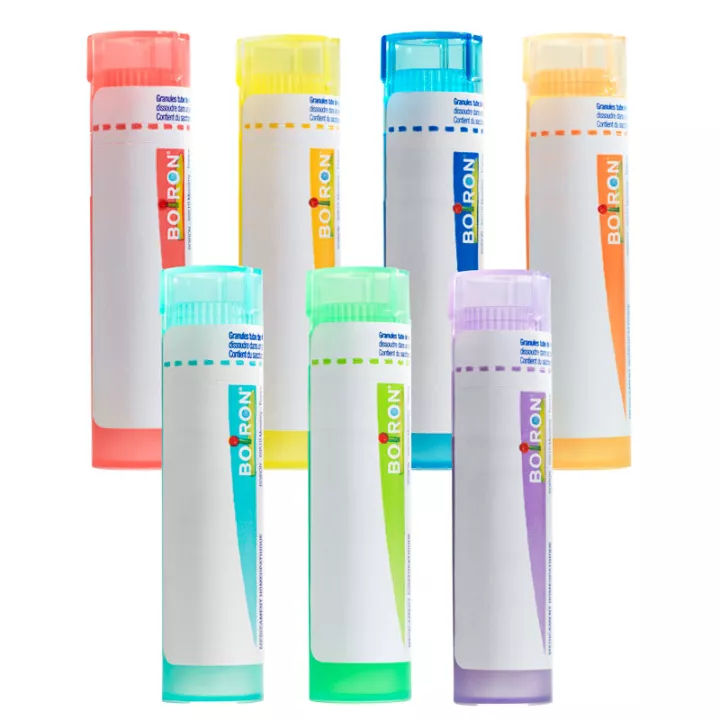
Aconitum napellus 200K, 1000K, 10000K Tube of Homeopathic Granules by BOIRON
Homeopathic remedy in Korsakovian dilutions
200K, 1,000K (or MK or 1MK)
, 10,000K (or XMK or 10MK)
If there is no improvement within 24 hours, consult your homeopathic physician.
Aconitum napellus 200 K, 1,000 K, also known asAconite or Jupiter’s Helmet, is a plant widely used in homeopathy. This plant, with its powerful healing properties, is often used to treat various conditions and symptoms.
Origin and History of Aconitum napellus
Aconitum napellus is a perennial plant native to the mountainous regions of Europe, Asia, and North America. It has been used since ancient times for its medicinal properties and is now widely recognized in homeopathy.
Monkshood, also known as wolfsbane, is a highly toxic medicinal plant. However, through homeopathic processes, it can be transformed into a remedy called Aconitum napellus. This remedy is particularly effective for treating people with fever, insomnia, or high blood pressure, as well as for treating amenorrhea, neuralgia, heart disease, and behavioral disorders. The dilution of Aconitum napellus to be used, however, depends on the condition and, if applicable, the patient’s condition. In most cases, the patient should place 5 granules of this remedy under the tongue for each dose.
Indications and Dosage of Aconitum napellus in Globule Form
Homeopathic medicines in Korsakovian dilutions—Aconitum napellus globules in 200K and 1,000K—can be used for various symptoms; therefore, it is not possible to specify the indications and dosage for a particular preparation.
Acts primarily on the central nervous system, the heart, the vasomotor nerves, and the peripheral nerves
Particularly suitable for sanguine, strong-willed, and easily irritable individuals.
Main Indications
Inflammatory fever. Chills. Neuritis (trigeminal,
sciatic). Pseudocroup*. Palpitations. Glaucoma (green cataract)*.
* = Self-medication only after consulting a doctor and as first aid
A homeopathic physician selects the appropriate remedy, dilution, and dosage based on the patient’s health condition and characteristic symptoms.
Properties and Uses of Homeopathic Remedies Available in Our Online Pharmacy, Specializing in Natural Remedies on the Internet.
Aconitum napellus is used in homeopathy to treat various conditions and symptoms. Among the most common are:
Fever and inflammation
Aconitum napellus 200K is known for its rapid action in the early stages of fever, particularly when accompanied by chills and intense thirst. It is also effective in reducing acute inflammation.
Tonsillitis is an inflammation of the pharynx, with the tonsils being the organs most affected. A sore throat, commonly known as tonsillitis, primarily affects children. Tonsillitis is characterized by throat pain —especially when swallowing—a burning sensation, and, at times, intense thirst. Its causes can be microbial or may stem from environmental factors. Homeopathy is a way to treat this condition quickly to prevent complications, especially since certain homeopathic remedies can serve as alternatives to antibiotics.
Pain and Nervous Disorders
This plant is also used to relieve intense and acute pain, particularly neuralgia, migraines, and toothaches. It can also alleviate symptoms of anxiety and fear.
Respiratory Disorders
Aconitum Napellus 200 K is also effective in treating the early stages of respiratory conditions, such as the common cold, the flu, or a dry cough. It can relieve chest tightness and make breathing easier.
Digestive Disorders
Aconitum Napellus is used to treat digestive disorders such as colic, bloating, and diarrhea. It can also help relieve abdominal pain and stomach cramps.
Skin Conditions
Aconitum Napellus 200 K, 1,000 K is also used to treat skin conditions, such as rashes, eczema, and hives. It is particularly effective for allergic reactions or insect bites.
Directions for use and instructions for Aconitum napellus in globule form
Remove the tab, turn the Dose Globules tube upside down, and gently pull back the cap.
Turn the tube to dispense the desired number of granules into the cap, then place the granules under the tongue.
It is recommended not to touch the granules or homeopathic globules in Korsakovian dilution with your fingers.
The globules from the dose tubes are taken all at once by allowing them to dissolve slowly under the tongue. If a specific dose is not available, take 10 granules of the same dilution.
Do not consume astringent substances—such as coffee, tobacco, camphor, mint, or chamomile—within half an hour before taking homeopathic medications.
Use a mint-free toothpaste (such as Homéodent BOIRON).
Aconitum Napellus 200 K and 1,000 K are generally available in pharmacies as granules, drops, or ointments. The dosage varies depending on the condition being treated and the chosen dilution.
Dosage for granules
- For fevers, inflammation, and pain: take 5 granulesof Aconitum napellus 5 CH every hour, gradually spacing out doses as symptoms improve.
- For respiratory problems: Take 5 granules of Aconitum napellus 9 CH every 2 hours, then space out doses as symptoms improve.
- For digestive and skin disorders: Take 5 granules of Aconitum napellus 15 CH one to three times a day, depending on the severity of symptoms.
Dosage for drops
- For acute conditions: Take 10 drops of Aconitum napellus 5 CH every hour, then space out doses as symptoms improve.
- For chronic conditions: Take 10 drops of 9 CH or 15 CH one to three times a day, depending on the severity of symptoms.
Dosage for ointments
- For skin conditions: Apply the ointment to the affected area 2 to 3 times a day until symptoms improve.
It is important to consult a healthcare professional or homeopath before beginning treatment with Aconitum napellus to determine the appropriate dosage and dilution for your specific case.
Packaging and quantity of Aconitum napellus
Globule dose: 1 g.
Homeopathic stock in Korsakovian dilution
200 K, 1,000 K (or MK or 1MK)
, 10,000 K (or XMK or 10 MK)
Precautions for Use
Warning
Contains sucrose.
Store homeopathic medicines in Korsakovian dilutions away from light, heat, moisture, and any sources of fumes or fragrances.
Administering Aconitum napellus homeopathic globules to infants and children
Dissolve the globule doses in 100 ml of water. Since the globules take a long time to dissolve, you should prepare the mixture in advance.
Homeopathy and Pregnancy
Homeopathic medicines in Korsakovian dilutions have no chemical toxicity, no contraindications, no interactions with other medications, and no adverse effects related to the amount ingested. Pregnant women can use these remedies without any known risk to themselves or their unborn child, but it is best to seek advice.
What to Do If There Is No Improvement Within 24 Hours
Certain conditions cannot be treated with homeopathy through self-medication alone. Their severity requires medical advice, which can be provided by a homeopathic physician. This physician will determine whether your condition can be treated with homeopathy alone or whether your treatment should be supplemented with allopathic medicine.