Actaea spicata 4CH, 5CH, 7CH, 9CH, 4DH, 6DH Homeopathic granules from Boiron Laboratories, available for purchase in our online pharmacy.
French name: Actée en épi
Approved medication: EH01129
Listed in the pharmacopoeia Origin: Plant-based
Available in Korsakovian dilutions of 200K, 1,000K, 10,000K
Actaea spicata is a homeopathic remedy used to treat various rheumatic conditions, including arthritis and frequent rheumatic pain in the small joints. This remedy is derived from black cohosh, whose ripe berries are toxic if accidentally ingested. Symptoms include liver inflammation and rheumatic joint pain due to the presence of protoanemonin in the plant. However, when used correctly, Actaea spicata offers valuable medicinal properties in rheumatology for treating conditions such as osteoarthritis and rheumatoid arthritis.
Indications and Dosage of Actaea spicata
Actaea spicata homeopathic granules can be used for a variety of symptoms; therefore, it is not possible to specify the indications and dosage for a particular preparation.
Black cohosh has the same effects as a rheumatic remedy when accidentally ingested. For this reason, the homeopathic remedy Actaea spicata, derived from the plant, is commonly used in rheumatology. It works by strengthening the body—specifically the joints—so that the patient can better tolerate the pain caused by rheumatic conditions. In addition, other symptoms of the disease, such as heartburn, vision problems, abdominal cramps, and even weakness in the lower limbs, are alleviated.
The homeopathic physician selects the appropriate remedy, dilution, and dosage based on the patient’s health condition and characteristic symptoms.
Therapeutic Uses of Actaea spicata
Treatment of Joint Rheumatism
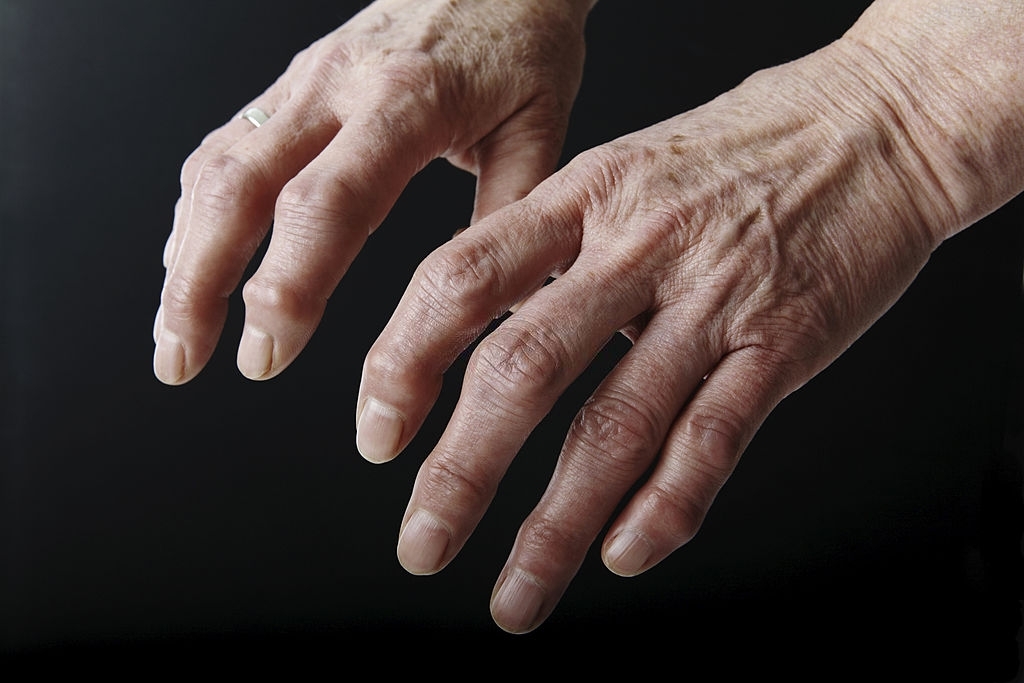
Actaea spicata is indicated for joint rheumatism causing swelling or deformities in the wrist, ankle, and fingers. It is also suitable for rheumatism affecting the phalanges, toes, and tarsus, as well as for rheumatoid arthritis.
Relief of Joint Inflammation
If the patient notices that even the slightest exertion causes inflammation in their joints, they need Actaea spicata. It is also indicated for seasonal symptoms, tingling, and partial loss of sensation when the joints are palpated.
Rheumatology and ENT
Actaea spicata is also recommended in rheumatology when the condition manifests in the ENT system, in addition to other symptoms. The patient may suffer from an eye infection, constant tearing, spots before the eyes, conjunctivitis, excruciating headaches, tingling and painful ears, nosebleeds, and throat pain when speaking.
Motor paralysis due to rheumatic spasms
Pain resulting from rheumatic spasms can sometimes cause motor paralysis in the affected areas. In such cases, Actaea spicata is the homeopathic remedy to be taken immediately.
Dosages for Various Rheumatic Conditions
Arthritis of the Wrists and Fingers
To relieve the pain and cramps associated with arthritis of the wrists and fingers, it is recommended to take Actaea spicata 5 CH, 5 granules three times a day.
Tendinitis
In cases of tendinitis, the appropriate treatment is Actaea spicata 5 CH, especially if the swelling is aggravated by movement and palpation.
Interphalangeal joint pain
To treat interphalangeal joint pain, it is recommended to administer Actaea spicata in combination with Caulophyllum thalictroides. Both remedies should be taken in 5 CH potency, at a dose of 5 granules of each remedy in the morning, at noon, and at bedtime, for a period of 3 months.
Dosage and Indications in Gynecology
Actaea spicata is used in homeopathy to relieve menopause-related symptoms, such as hot flashes, night sweats, and sleep disturbances. It is also used to relieve menstrual pain and abdominal cramps.
Actaea spicata homeopathic granules are generally available in 5CH or 9CH dilutions. The recommended dosage is 3 granules, 3 times a day, until symptoms improve. It is important to follow the recommended doses and to consult a doctor or homeopath before starting homeopathic treatment.
Tips for Using Actaea spicata and Directions for Use
Remove the tab, turn the Actaea spicata tube upside down, and gently pull on the cap.
Turn the tube to dispense the desired number of granules into the cap, then place the granules under the tongue. It is recommended not to touch the Actaea spicata homeopathic granules with your fingers. Do not consume astringent substances—such as coffee, tobacco, camphor, mint, or chamomile—within half an hour before taking homeopathic medications.
Use a mint-free toothpaste (such as Homéodent Boiron, which is compatible with taking homeopathic granules).
Packaging and Contents
Translucent Actaea spicata granule tube (allows you to see how many granules remain). Weight: 4 g. Approximately 80 granules.
Precautions for Use
Warning
Contains sucrose. Store Actaea spicata homeopathic remedies away from light, heat, moisture, and any sources of fumes or fragrances.
Administering homeopathic granules to infants and children
For Actaea spicata granules, dissolve them in 100 ml of water. Since the granules take a long time to dissolve, you should prepare the mixture in advance.
Homeopathy and Pregnancy
Actaea spicata homeopathic remedies have no chemical toxicity, no contraindications, no interactions with other medications, and no adverse effects related to the amount ingested. Pregnant women can use them without any known risk to themselves or their unborn child, but it is best to seek advice.
Frequency of Homeopathic Use
For acute conditions, it is recommended to take Actaea spicata homeopathic remedies every hour until symptoms improve. Once symptoms improve, space out doses to 3 or 4 times a day, then gradually stop.
For chronic conditions, remedies in low dilutions (Actaea spicata > 9CH) are taken 1 to 2 times a day, while constitutional remedies are taken once a week or even once a month. This decision is up to the homeopath.
What to Do If There Is No Improvement Within 24 Hours
Certain conditions cannot be treated with Actaea spicata homeopathy through self-medication alone. Their severity requires medical advice, which can be provided by a homeopathic physician. This physician will determine whether your condition can be treated with homeopathy alone or whether your treatment should be supplemented with allopathic medicine.