0
Menu
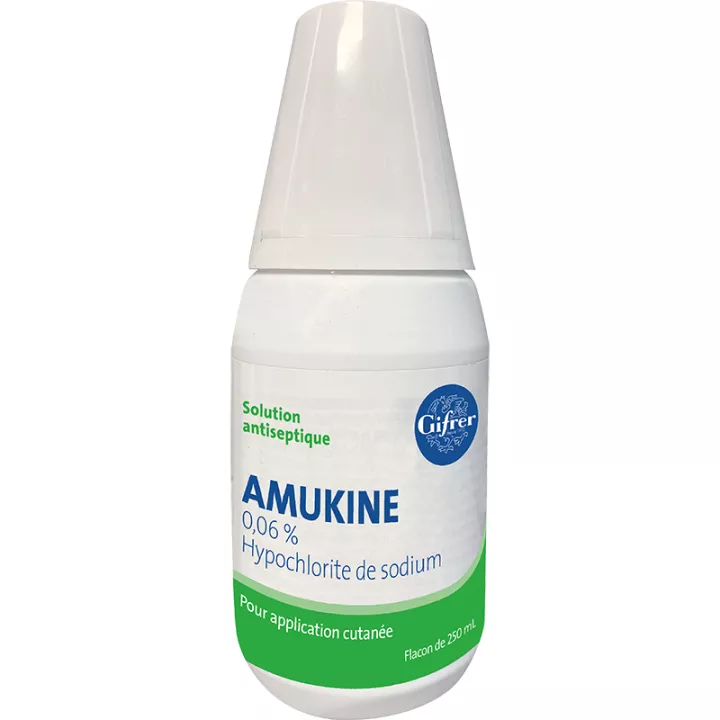
Amukine 0.06% Gifrer Solution for Topical Application, 250 ml
Over-the-counter medication

Amukine 0.06% Gifrer Solution for Topical Application, 250 ml

Brand : Gifrer Gifrer

Amukine 0.06% by Gifrer is an antiseptic solution for external use, ideal for disinfecting wounds and mucous membranes. Its 250-ml size is perfect for daily use.

€4.69 EXCL. VAT €5.16 INCL. VAT
Ships in 5-7 business days Pre-order Secure payment
Reference : 3400933683504
You must be logged in to add this product to a list. Customer login
See delivery conditions

Our doctors of pharmacy advise you

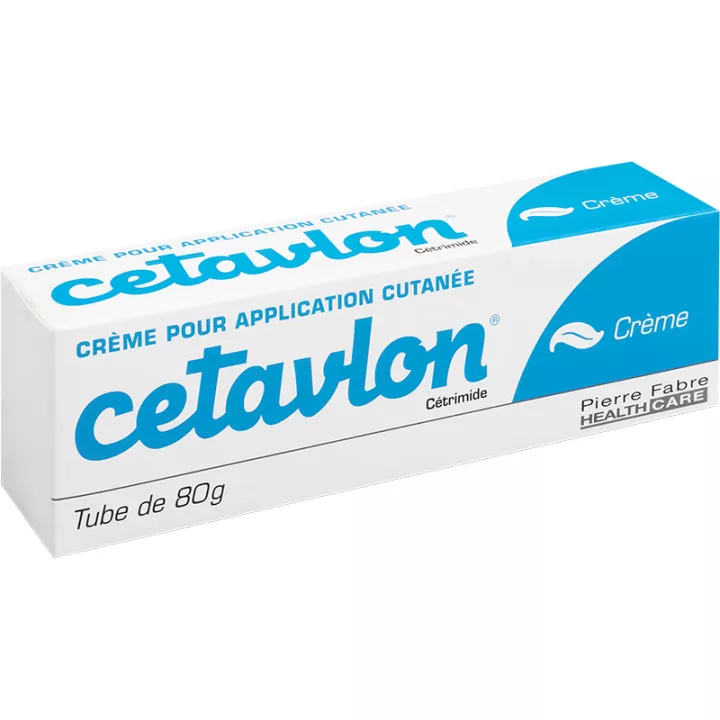
Cetavlon Antiseptic Cream 80g Cetavlon Antiseptic Cream 80g
€5.99
Add to cart
Shipped within 24h
Betadine Green Antiseptic Mouthwash Solution Betadine Green Antiseptic Mouthwash Solution
€5.49
Add to cart
Shipped within 24h
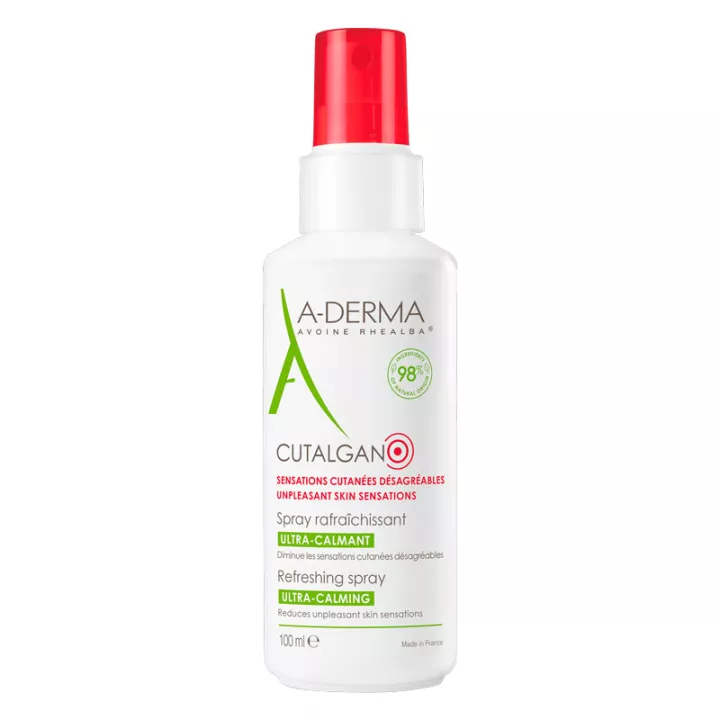
A-Derma Cutalgan ultra-calming cooling spray 100 ml A-Derma Cutalgan ultra-calming cooling spray 100 ml
€12.49
Shipped within 24h

What is Amukine 0.06% External Use Solution used for?

For warnings, precautions, and contraindications, please refer to the package insert. 

Antiseptic treatment of the skin, mucous membranes, and wounds.

This medication is a topical antiseptic that containschlorine.
Antiseptic agents are not sterilizing; they temporarily reduce the number of microorganisms. 

The Right Antiseptic for Every Wound
A good antiseptic should ideally combine broad-spectrum efficacy, a rapid and long-lasting effect, and a skin-friendly, non-irritating formulation. The most commonly used antiseptics are biguanides and chlorine and iodine derivatives. Alcohol, on the other hand, is not recommended because of its irritating and drying effects, which slow down healing. It is generally reserved for disinfecting medical equipment or healthy skin.
The main criterion for choosing an antiseptic solution is the nature of the wound.

How do you use Amukine 0.06% topical solution?

Amukine 0.06% Gifrer is easy to use and suitable for many everyday situations.

Amukine must be appliedundiluted to ensure its effectiveness. Here are the main recommended uses:

  • For washing: ideal for cleaning superficial wounds.
  • As soaked compresses: to maintain prolonged disinfection.
  • As moist dressings: useful for caring for sensitive areas.
  • For local soaks: perfect for fingers, feet, or other small areas of the body.

Reapply as needed, while adhering to the maximum recommended doses (4.2 ml per day).

Share your feedback on Amukine’s usage instructions and dosage with our partner “Verified Reviews” after your purchase.

Precautions for use:

  • Do not use on large areas or under occlusive dressings for prolonged periods.
  • Not suitable for disinfecting medical or surgical equipment (see pharmacodynamic properties). 
  • Avoid contact with the eyes.
  • Do not swallow.
  • Rinse thoroughly if soap has been used beforehand.
  • Keep out of reach of children.
  • Use within six months of opening for optimal effectiveness.

When should this medication not be used?

  • This medication should not be used if you are allergic to chlorine.
  • Avoid prolonged use of this medication on large or deeply injured areas, or under an occlusive dressing, without consulting your doctor: there is a risk that the medication may enter the bloodstream.
  • Combining this medication with other antiseptics or soaps is not recommended, as their effects may cancel each other out. 
  • This antiseptic may be used by pregnant or breastfeeding women.
    It may be applied to the nipple, which should be rinsed before breastfeeding.

Medication Warnings

Please note: This medication is not like other products. Read the medication guide carefully before ordering. Keep medications out of the reach of children. If symptoms persist, consult your doctor or pharmacist. Be aware of potential interactions with your current medications.

  • Please inform your online pharmacist of any current treatments to identify potential interactions. The order confirmation form includes a custom message field for this purpose.
  • Click here to view the package insert for this medication on the website of the French National Agency for Medicines and Health Products Safety.

What are the risks of side effects?   

A burning sensation may occur if applied to a wound.
Irritation may occur when used under an occlusive dressing.

Description of Adverse Effects
Like all medications, AMUKINE 0.06 PERCENT, solution for topical application, may cause side effects, although not everyone will experience them: a burning sensation or irritation (in cases of large wounds or gynecological surgery); this is harmless and should not lead to a change in treatment.

Reporting Side Effects
If you experience any side effects, talk to your doctor or pharmacist. This also applies to any side effects not listed in this package insert. You can also report side effects directly through the national reporting system: the French National Agency for Medicines and Health Products Safety (ANSM) and the network of Regional Pharmacovigilance Centers. Website: www.ansm.sante.fr. By reporting side effects, you help provide more information about the safety of this medication.

What is the composition of Amukine 0.06%?

Sodium Hypochlorite, Sodium Hydroxide, Sodium Bicarbonate, Purified Water.

· The active ingredient is:

Aqueous solution of sodium hypochlorite................................................................... 5.00 mL

Amount corresponding to active chlorine.............................................................................. 0.06 g

Packaging

250-mL bottle.

Pharmacovigilance Report an adverse drug reaction(s)

Download PDF leaflet

NOTICE

ANSM - Last updated: 29/10/2013

Name of the medicinal product

AMUKINE 0.06 PERCENT, solution for skin application

Sodium hypochlorite

framed

Read this leaflet carefully before you start using this medicine. It contains important information for your treatment.

If you have any further questions, ask your doctor or pharmacist.

· Keep this leaflet, you may need to read it again.

· If you need more information and advice, ask your pharmacist.

· If symptoms worsen or persist, consult a physician.

· If you notice any side effects not listed in this leaflet, or if you experience any of the effects listed as serious, please tell your doctor or pharmacist.

Review summary

In this notice :

1. WHAT IS AMUKINE 0.06 PERCENT, solution for skin application AND IN WHAT CASES IS IT USED?

2. BEFORE YOU USE AMUKINE 0.06 PERCENT, solution for skin application?

3. HOW TO USE AMUKINE 0.06 PERCENT, solution for skin application?

4. WHAT ARE POSSIBLE SIDE EFFECTS?

5. HOW TO STORE AMUKINE 0.06 PERCENT, solution for skin application?

6. ADDITIONAL INFORMATION

1. WHAT IS AMUKINE 0.06 PERCENT, solution for skin application AND IN WHAT CASES IS IT USED?

Pharmacotherapeutic group

ANTISEPTICS AND DISINFECTANTS (D. DERMATOLOGY).

ATC Code: D08AX07

Therapeutic indications

This medication is a local antiseptic for external use (it is used for the disinfection of the skin and the mucous membranes).

This medication is recommended in:

· antisepsis of the skin and mucous membranes,

· the antisepsis of the wounds.

2. BEFORE YOU USE AMUKINE 0.06 PERCENT, solution for skin application?

List of information needed before taking the medication

Not applicable.

Cons-indications

Do not use AMUKINE 0.06 PERCENT, solution for skin application in the following cases:

· If you are allergic (hypersensitive) to chlorine.

Precautions for use; special warnings

Take special care with AMUKINE 0.06 PERCENT, solution for skin application:

This medicinal product is for external use only.

A transcutaneous passage can not be excluded, therefore the use of AMUKINE must be done with caution in certain situations: on a large surface, under occlusive dressing, on an injured skin (especially burned).

Irritation possible under occlusive dressing.

As soon as the bottle is opened, microbial contamination is possible. Be careful not to keep too long an antiseptic vial.

Avoid the simultaneous or successive use of different antiseptics with this antiseptic (in particular the previous use of soap must be followed by careful rinsing). ( See interactions with other medicines ).

Precautions for use

· Do not swallow

Interaction with other medicines

Use of other medicines

If you are using or have recently used any other medicines, including medicines obtained without a prescription, talk to your doctor or pharmacist

Interactions with food and beverages

Not applicable.

Interactions with Herbal Medicines or Alternative Therapies

Not applicable.

Use during pregnancy and lactation

Pregnancy and breast feeding

This medication, under normal conditions of use, may be used during pregnancy and lactation.

In general, you should seek advice from your doctor or pharmacist before taking any medication.

Sport

Not applicable.

Effects on ability to drive or use machines

Not applicable.

List of excipients with known effect

Not applicable.

3. HOW TO USE AMUKINE 0.06 PERCENT, solution for skin application?

Instructions for proper use

Not applicable.

Dosage, Mode and / or route (s) of administration, Frequency of administration and Duration of treatment

AMUKINE should be used pure:

· in washes (eg wound washes),

· in soaked compresses,

· in wet dressings,

· in baths (eg bath of fingers, feet, seat).

Renew applications as needed.

Symptoms and Instructions for Overdose

Not applicable.

Instructions for omission of one or more doses

Not applicable.

Risk of withdrawal syndrome

Not applicable.

4. WHAT ARE POSSIBLE SIDE EFFECTS?

Description of adverse reactions

Like all medicines, AMUKINE 0.06 PERCENT, solution for dermal application is likely to have undesirable effects, although not everyone is subject to it.

· sensations of burning or irritation (in case of major wounds or in gynecological surgery) this is of no consequence and should not cause the treatment to change.

Declaration of side effects

If you experience any side effects, talk to your doctor or pharmacist. This also applies to any side effects not mentioned in this leaflet. You can also report adverse reactions directly through the national reporting system: National Agency for the Safety of Medicines and Health Products (Ansm) and network of Regional Centers of Pharmacovigilance. Website: www.ansm.sante.fr . By reporting adverse reactions, you are helping to provide more information about the safety of the drug.

5. HOW TO STORE AMUKINE 0.06 PERCENT, solution for skin application?

Keep this medicine out of the reach and sight of children.

Expiration date

Do not use AMUKINE 0.06 PERCENT, solution for skin application after the expiry date stated on the outer packaging.

Storage conditions

No special storage conditions.

If necessary, warnings against visible signs of deterioration

Medicines should not be disposed of via wastewater or household waste. Ask your pharmacist what to do with unused medications. These measures will help protect the environment.

6. ADDITIONAL INFORMATION

Full list of active substances and excipients

What does AMUKINE contain 0.06 PERCENT, solution for skin application?

The active substance is:

Aqueous solution of sodium hypochlorite and sodium chloride, obtained by electrolysis (sodium chloride) 5,00 ml

Amount corresponding to active chlorine ............................................. .................................................. .... 0.06 g

For 100 ml of solution for skin application.

The other components are:

Purified water

Pharmaceutical form and content

What is AMUKINE 0.06 PERCENT, solution for skin application and contents of the outer packaging?

This medication is in the form of a solution for skin application, 50 ml, 60 ml and 200 ml flask (PVC) and 125 ml, 250 ml, 500 ml and 1000 ml flask (PE).

Name and address of the marketing authorization holder and the holder of the manufacturing authorization responsible for the release of the lots, if different

Holder

GIFRER BARBEZAT

8 to 10, rue Paul Bert

69150 Décines-CHARPIEU

exploiting

GIFRER BARBEZAT

8-10, rue Paul Bert

69153 Décines CEDEX

Maker

GIFRER BARBEZAT

8-10, rue Paul Bert

69153 Décines CEDEX

Names of the medicinal product in the Member States of the European Economic Area

Not applicable.

Date of approval of the notice

The last date on which this leaflet was approved is {date}.

AMM under exceptional circumstances

Not applicable.

Internet Information

Detailed information on this medicine is available on the Ansm website (France).

Information for health professionals only

Not applicable.

Other

Not applicable.

VIDAL OF THE FAMILY

AMUKINE

Local antiseptic

sodium hypochlorite

. Presentations . Composition . Indications . Contraindications . Warning . Drug Interactions . Pregnancy and breastfeeding . Directions for use and dosage . Advice . Undesirable effects . Lexicon

PRESENTATIONS (summary)

AMUKINE: solution for local application; 60 ml bottle.
-

AMUKINE: solution for local application; bottle of 200 ml.
-

Laboratory Gifrer Barbezat

COMPOSITION (summary)
p 100 ml
Sodium hypochlorite and sodium chloride in aqueous solution 5 ml
either active chlorine 60 mg

INDICATIONS (summary)
This medication is a local antiseptic that contains chlorine.
It is used for the antisepsis of the skin, mucous membranes and wounds.
CONTRAINDICATIONS (summary)
This medication should not be used if you are allergic to chlorine.
WARNING (Contents)
Avoid prolonged use of this medication on large or deeply wound surfaces or under occlusive dressing without the advice of your doctor: risk of drug passage through the blood.
DRUG INTERACTIONS (summary)
Combination with other antiseptics or soaps is not recommended because their effects may cancel out.
PREGNANCY AND BREAST-FEEDING (summary)
This antiseptic can be used in pregnant or nursing women.
It can be applied on the nipple which must be rinsed before feeding.
DIRECTIONS FOR USE AND DOSAGE (summary)
This solution is used pure. It can be used in washing, local bath, soaked compress, wet dressing.
TIPS (summary)
Simple washing with soap and water makes it possible to eliminate the majority of germs ; it should be followed by a careful rinse because the soap can inactivate some antiseptics .
All antiseptics can be contaminated with germs : once opened, the bottle should not be stored for too long.
POSSIBLE ADVERSE EFFECTS (summary)
Sensitization to burns or irritation when applied to a wound.


GLOSSARY (summary)


allergy
Skin reaction (itching, pimples, swelling) or general discomfort occurring after contact with a particular substance, use of a medication, or ingestion of food. The main forms of allergy are eczema, urticaria, asthma, angioedema and allergic shock (anaphylactic shock). Food allergy can also result in digestive disorders.


antisepsis
Action to destroy bacteria, microscopic fungi or viruses present especially on the skin, mucous membranes and wounds.
The action of an antiseptic is not always immediate: a delay of a few minutes is sometimes necessary before the germs are inactivated.


antiseptic
A substance that locally destroys bacteria, reducing their numbers and preventing their proliferation. Some antiseptics are also active on microscopic fungi and viruses.


seeds
A general term that refers to all microscopic organisms likely to cause infection: bacteria, viruses, parasites, fungi.


mucous
Tissue (membrane) that lines the cavities and ducts of the body communicating with the outside (digestive tract, respiratory tract, urinary tract, etc.).

Advice from our naturopaths

How to repair my skin barrier? How to repair my skin barrier?

In my article on rosacea, I told you about the structure and different roles of the skin. Today, I’m going to reveal my little secrets to repair and strengthen your skin barrier. Indeed, products not adapted to your skin type can sensitise it. In fact, it is important to learn how to build a routine adapted to your skin type.…

Read the article on the blog
Centella asiatica for skin health Centella asiatica for skin health

If you're a fan of Korean-style skincare (aka K-beauty), you've probably heard of Centella asiatica. In fact, it's known by various names, including Brahmi, asiatica, tiger herb and Gotu kola. The term "Cica" certainly sounds familiar, doesn't it? Centella Asiatica & Skin health Centella asiatica is a plant native to Asia that has been used for centuries for its medicinal…

Read the article on the blog
Is it safe to give Doliprane 1000 to a child? Is it safe to give Doliprane 1000 to a child?

Faced with the recent shortage of paediatric paracetamol in France, many parents are wondering whether it is possible to give adult Doliprane 1000 to children This situation, exacerbated by high paracetamol consumption due to seasonal illnesses such as flu and febrile conditions, has led to a stock-out of this essential medicine. Doliprane, known for its analgesic and antipyretic properties, has…

Read the article on the blog
Natural Health Advice