When should you use this cream for dry, rough feet?
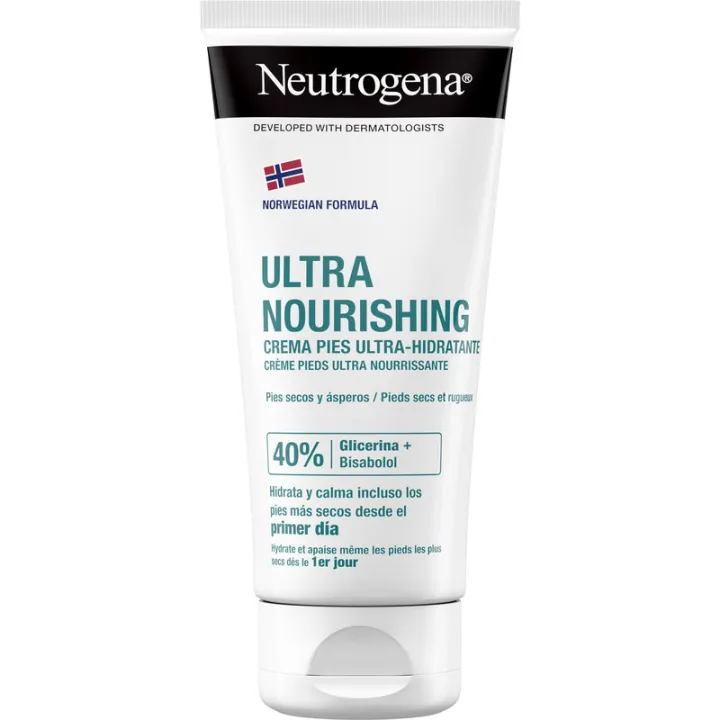
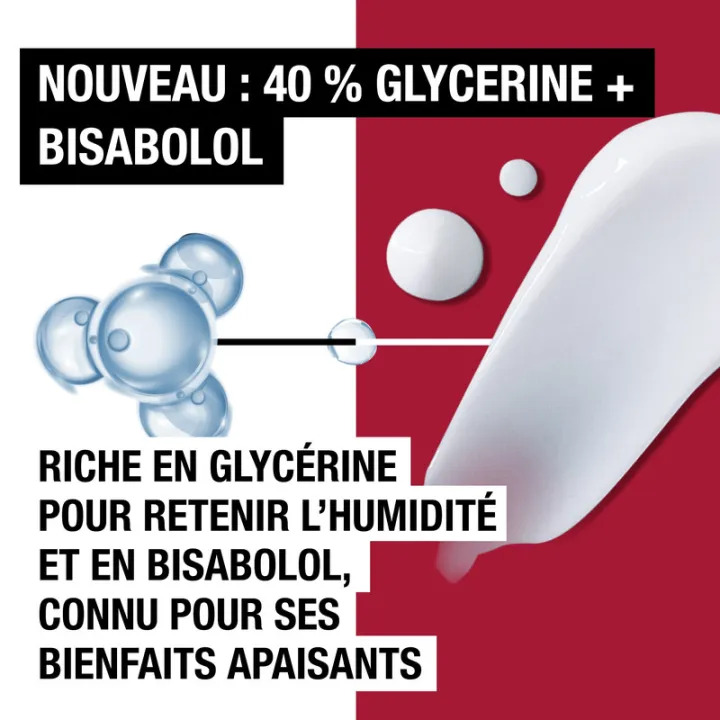
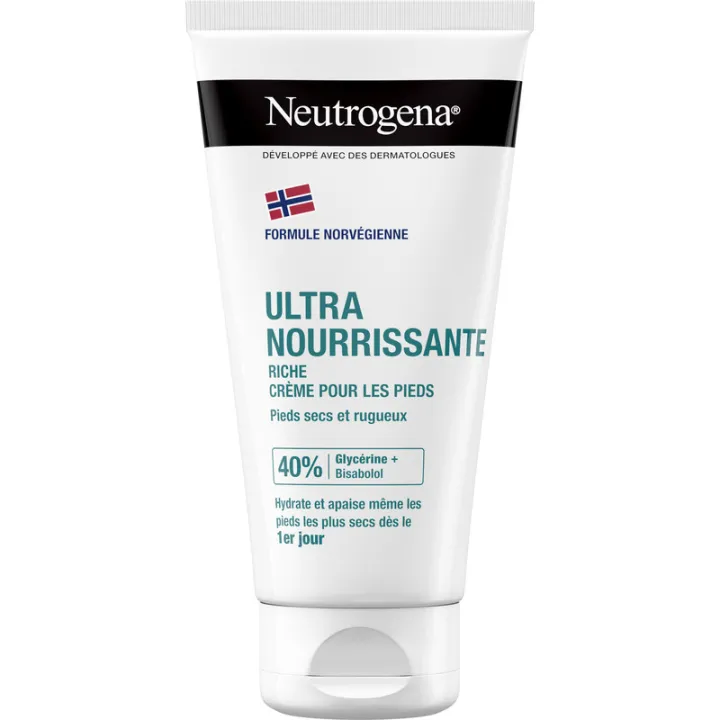
Glycerin is the go-to humectant for very dry skin: it draws in water and locks it into the outer layers of the epidermis. The Ultra-Nourishing Foot Cream contains 40% glycerin, combined with bisabolol, a soothing compound extracted from candeia wood. The skin on the feet is the thickest on the body and has the fewest sebaceous glands, which explains why it dries out and thickens more quickly than anywhere else. Available in 100- or 150-ml tubes, this treatment is designed for dry feet, rough soles, and heels that snag on socks.
This cream provides intense 24-hour hydration and soothes even the driest feet from the very first day. Daily use helps reduce roughness and calluses; in a self-assessment study of 32 people, feet and heels appeared visibly repaired after seven days. On comfortable skin, the tight feeling and the flaky appearance of the soles fade noticeably.
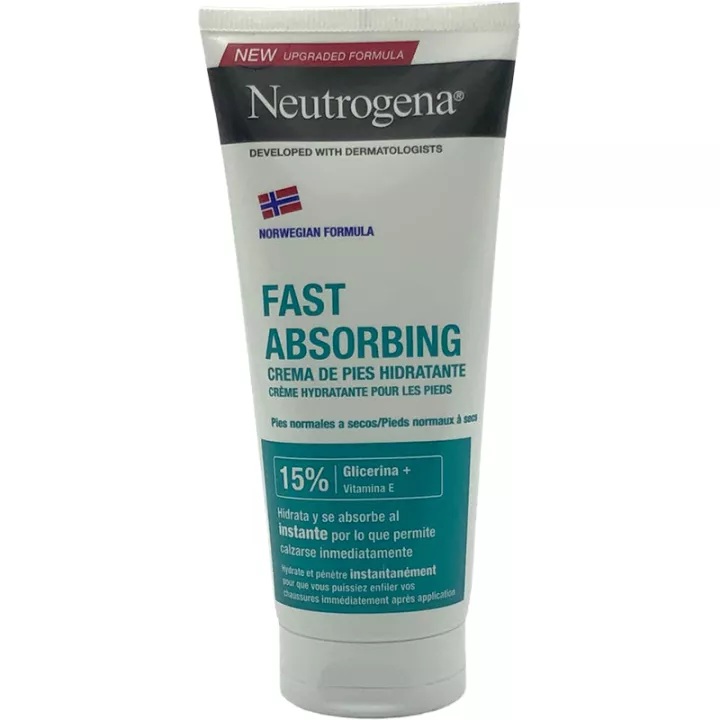
The texture is another key feature of this treatment. It’s non-greasy and absorbs quickly, allowing you to put your shoes back on right away and making application a simple part of your morning or evening routine. The formula is even suitable for sensitive skin: it contains neither urea nor fruit acids, two types of keratolytic active ingredients that can easily cause a stinging sensation on thin or cracked skin.
Dry feet are a seasonal issue. Summer, with its sandals and barefoot walking, leaves heels thickened by the time school starts again; winter, with its closed-toe shoes and heating, perpetuates dryness; and running, as well as prolonged standing, accelerates the problem year-round. If you’re unsure which texture to choose, our selection of creams for dry feet and calluses categorizes products by the degree of dryness, ranging from simple daily care to balms for cracked heels.
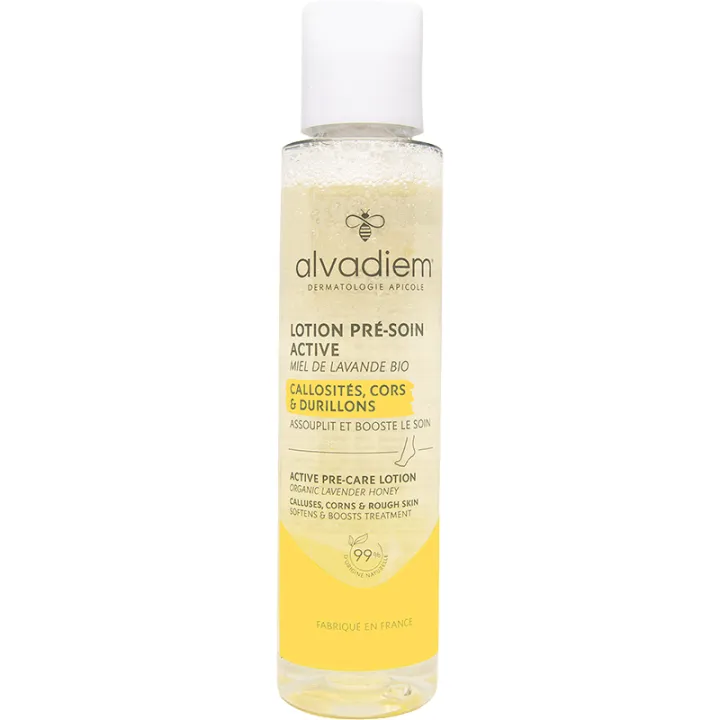
On already thickened skin, a nourishing cream works best if the calluses have been softened beforehand. For this, we recommend Alvadiem Active Pre-Care Lotion: applied before a foot bath or exfoliation, it softens thickened areas, after which the nourishing cream takes over to care for them day after day.
How do you apply this daily foot and heel care?
Directions for Use
Massage the cream gently into clean feet until fully absorbed, paying special attention to the heels.
Share your feedback on the usage instructions and dosage for Neutrogena Ultra Nourishing Foot Cream with our partner Verified Reviews after your purchase.
Precautions
- For external use on the feet only. Avoid contact with the eyes; if contact occurs, rinse thoroughly with water.
- Do not apply between the toes: the cream can cause maceration in that area, which creates a favorable environment for fungal infections.
- Do not apply to broken skin, open or bleeding cracks, wounds, burns, or infected areas.
- If you have diabetes, peripheral artery disease, or peripheral neuropathy, consult a doctor or podiatrist before using any foot care product, and inspect your feet daily.
- If you experience peeling or cracking skin between the toes, a thickened or discolored toenail, a corn, or a painful callus, consult a healthcare professional before applying the cream: these conditions require specific treatment.
- Do not use if you have a known allergy to any of the ingredients. Cetearyl alcohol and fragrance are documented contact allergens; menthol may cause temporary tingling on cracked or sensitive skin.
- For adults and adolescents only. For children, consult a healthcare professional.
- Wait until the cream is fully absorbed before walking barefoot: smooth surfaces may become slippery after application.
- Store at room temperature, away from heat, and use within 12 months of opening. Keep out of reach of children.
What are the ingredients in this ultra-nourishing foot cream?
Ingredients
Glycerin, Aqua, Cetearyl Alcohol, Caprylic/Capric Triglyceride, Dimethicone, Sodium Cetearyl Sulfate, Panthenol, Fragrance, Caprylyl Glycol, Ethylhexylglycerin, Menthol, Bisabolol, Palmitic Acid, Stearic Acid, Citric Acid, Disodium Phosphate, Potassium Phosphate, Tocopherol.
Packaging
Available in a 100 ml or 150 ml tube, your choice. Shelf life after opening: 12 months.
Our expert advice on this foot cream for rough heels
The question we ask before recommending a foot care product rarely concerns texture—it concerns the sensitivity of the foot. A foot affected by diabetes, arteriosclerosis, or neuropathy does not warn you when something is wrong, and a crack in the heel becomes a silent gateway for infection. In these situations, daily moisturizing remains beneficial, but it should be part of a podiatric care regimen, including a daily visual inspection of the feet and seeking advice as soon as redness, a crack, or a warm spot appears. The same applies to peeling skin between the toes or a thickening toenail: a fungal infection cannot be treated with a moisturizing cream, and covering it up delays diagnosis.
When it comes to routine care, consistency matters more than quantity. A small amount applied morning and night to clean, dry feet is better than a thick layer once a week, and the evening remains the best time: the cream absorbs without being immediately disrupted by walking. For very thickened heels, gentle buffing with a pumice stone or file, once or twice a week on dry skin, prepares the area—but never use a blade to scrape, as this weakens the skin and causes it to thicken further in response. Allow two to three weeks of consistent treatment before judging the results on long-standing calluses, and don’t forget to apply the treatment all the way to the sides of the heel, where cracks almost always begin.
FAQ
Can I use Neutrogena Ultra Nourishing Foot Cream if I have diabetes?
You should consult a doctor or podiatrist first. Daily moisturizing is part of preventing complications from diabetic foot, but the choice of product, how it’s applied, and monitoring your feet are best left to the healthcare professional overseeing your care. Never apply the cream between the toes or on a wound, no matter how minor.
Can I apply Neutrogena Ultra Nourishing Foot Cream before putting on my shoes?
Yes. Its non-greasy texture absorbs quickly, so you can put on your shoes right away. However, it’s best to let the cream absorb completely before walking barefoot on a smooth surface, which can become slippery.
Can I use Neutrogena Ultra Nourishing Foot Cream on cracked heels?
On heels that are simply rough or have fine, superficial cracks, yes—apply it daily. On a deep, open, or bleeding crack, no: the skin is damaged, and the situation requires a suitable healing treatment, or even medical advice if the crack is painful or becomes infected.
Should I choose the 100 ml or 150 ml tube of Neutrogena Ultra Nourishing Foot Cream?
The formula is the same; only the size differs. The 100-ml size is suitable for seasonal use or as a first try; the 150-ml size is more economical for daily use year-round. In both cases, the tube can be stored for twelve months after opening, at room temperature and away from heat.