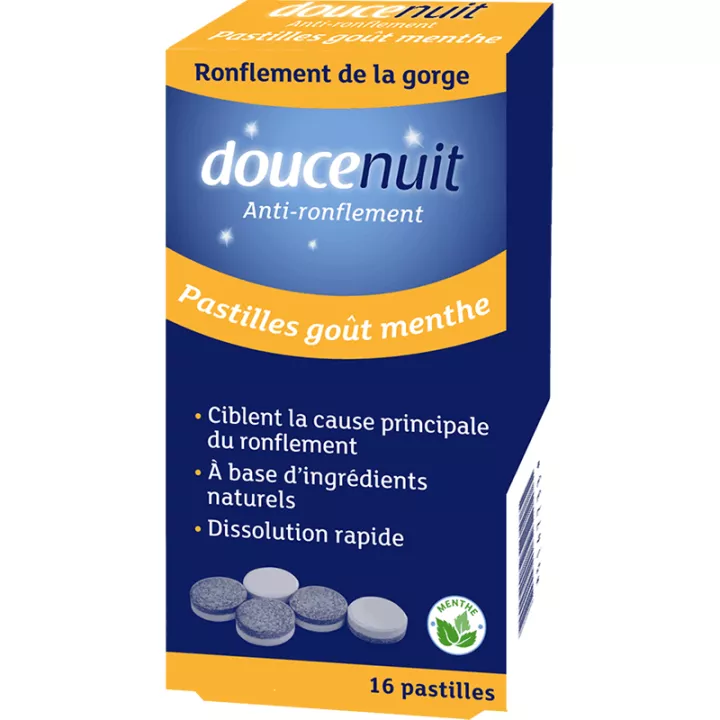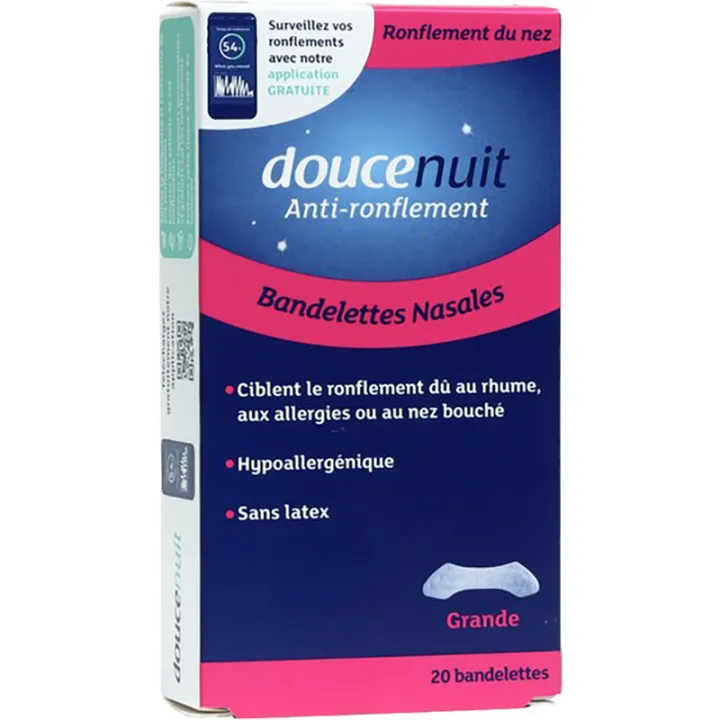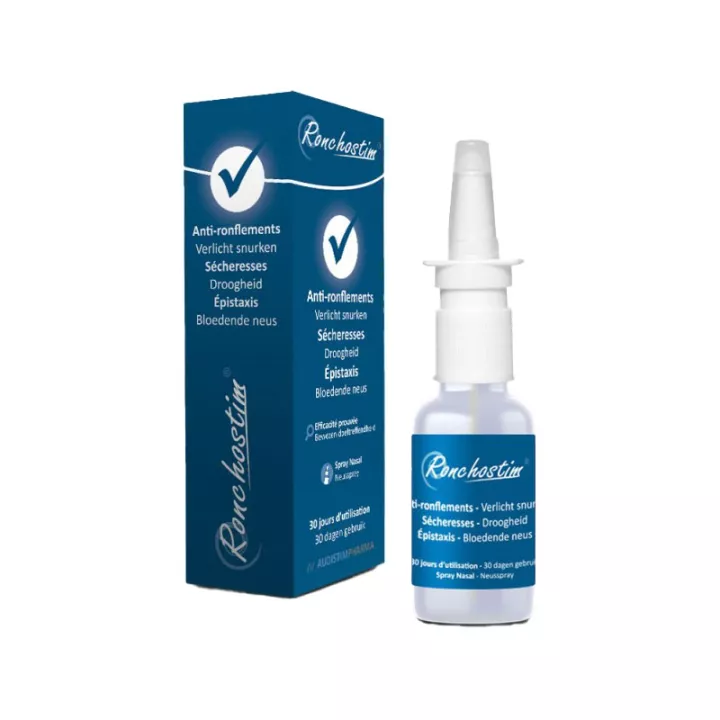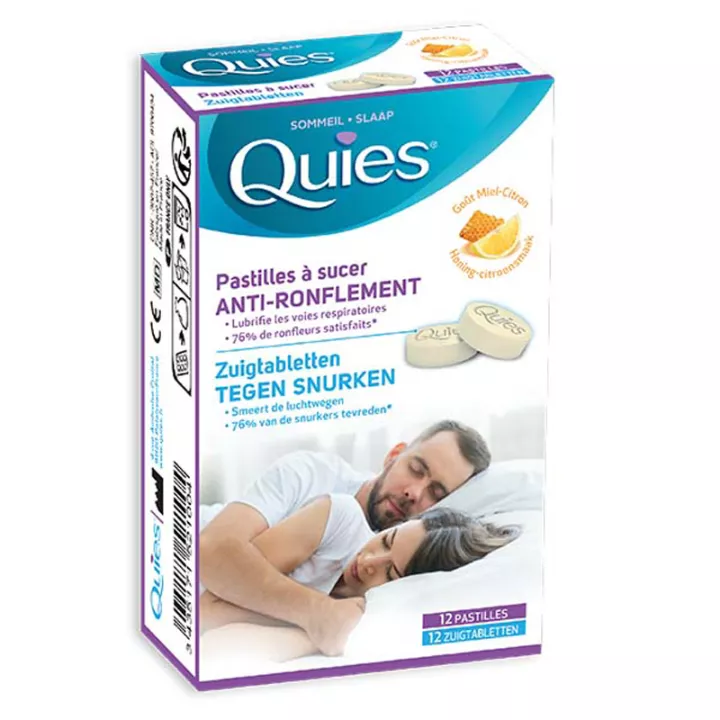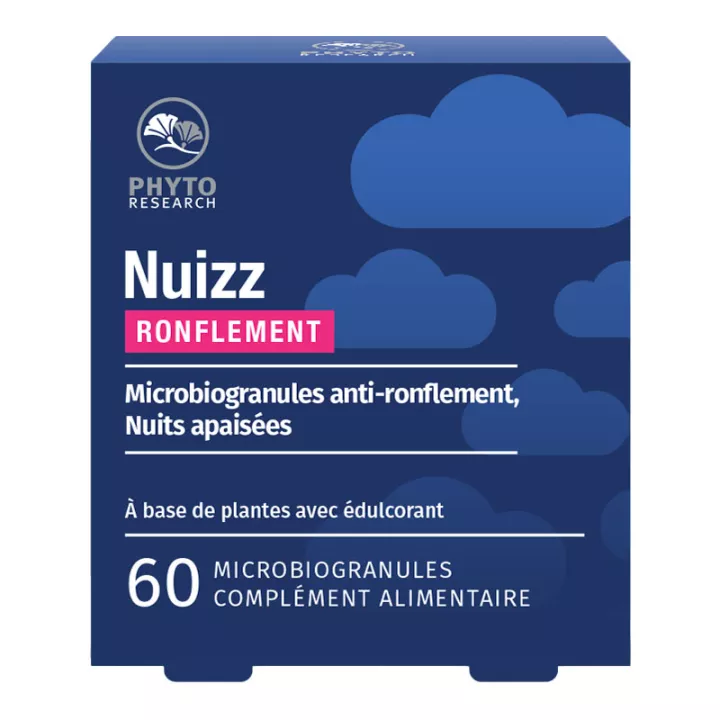

PhytoResearch Nuizz Snoring 60 microbiogranules, available at our online organic pharmacy, work to lubricate and tone the tissues at the back of the throat that are responsible for snoring.
Nuizz Snoring Microbiogranules contain active ingredients that work synergistically to lubricate and tone the tissues at the back of the throat—which are responsible for snoring—thereby optimizing breathing. Peppermint essential oil supports optimal respiratory system function and firms the soft tissues of the throat (larynx and pharynx).
Choose NUIZZ Snoring Microbiogranules from New Nordic for peaceful, snore-free nights. Microbiogranule technology for long-lasting effectiveness. Sleep better starting now.
Say goodbye to restless nights and morning tension with New Nordic’s NUIZZ Snoring Microbiogranules. Imagine being able to sleep deeply and uninterrupted, without the hassle of snoring. Thanks to NUIZZ, this nighttime freedom is now within reach.
NUIZZ Snoring uses microbiogranule technology that gradually releases its active ingredients for long-lasting effectiveness. With natural compounds like peppermint and lavender essential oils, this product offers a non-invasive solution to significantly reduce snoring.
The compact granule format is perfect for people on the go. Whether you’re on a business trip or a romantic getaway, the microbiogranules slip discreetly into your luggage, giving you peace of mind wherever you are.
We also offer the Quies Anti-Snoring Mouthpiece at the best price in our online pharmacy.
Slowly suck on 2 microbiogranules just before bedtime.
Do not eat or drink after use.
What are the precautions for use?
Share your feedback on the usage instructions and dosage for PhytoResearch Nuizz Snoring 60 Microbiogranules with our partner. Reviews are verified after your purchase.
Ingredients: Bulking sweetener: Maltitol, Peppermint essential oil (48.3 mg*), Stabilizer: Acacia gum, Aloe Vera (12 mg*), Vitamin E (6 mg*), Color: E133.
DAILY VALUES PER 2 MICROBIOGRANULES
Essential oil:
Peppermint (Mentha piperita) 48.30 mg
Concentrated extracts:
Aloe Vera (Aloe Barbadensis) 12 mg
Vitamin E 6 mg (50% NRV*)
*NRV: Nutrient Reference Values
Packaging
Pill bottle containing 60 microgranules
Why do we snore?
Snoring occurs when the muscles relax during sleep. During this relaxation, the muscles (of the back of the throat, the soft palate, the uvula, and the tongue) loosen. In some people, these muscles take up more space and narrow the airway. As a result, when breathing in, air has difficulty passing through and causes the pharynx to vibrate, producing a snoring sound.
To address this problem, it’s important to adopt healthy habits or seek medical solutions. For example, to be considerate of those around you, it’s best to avoid alcoholic beverages with your evening meal. A diet is necessary if the snorer is overweight. Sometimes simply losing excess body fat is enough to clear the throat and reduce snoring.
What should you do when one person snores and keeps the other from sleeping?
Did you know that the sound of snoring can reach up to 95 dB, which is equivalent to the noise of a passing truck?
People often laugh it off, but snoring isn’t harmless. It disrupts sleep, leading to difficult mornings and long, tiring days—both for those who are affected by it and for those who do the snoring. For the snorers themselves, it can be a warning sign of mild, temporary breathing problems—such as a cold or extreme fatigue—or more serious conditions like sleep apnea.
Snoring mainly affects men, but after age 60, 1 in 4 women is also affected.
Fortunately, there are natural solutions, such as Nuizz Snoring products made with essential oils and plant extracts, which have been clinically tested for effectiveness.
Snoring is a sound made by some people while sleeping, which occurs mainly during inhalation but sometimes also during exhalation. It is caused by a narrowing of the airways.
In fact, during sleep, the muscles, tongue, and tissues of the soft palate and throat relax and can partially block the flow of air through the upper respiratory tract. This creates resistance to airflow, causing the tissues to vibrate and produce the sound of snoring. Furthermore, as people age, the loss of tissue tone often leads to an increase in the frequency of snoring.