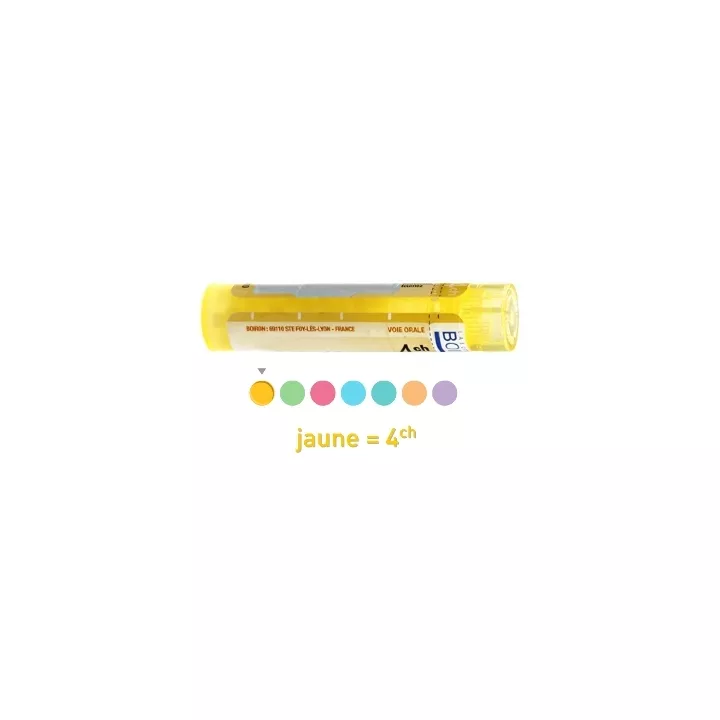
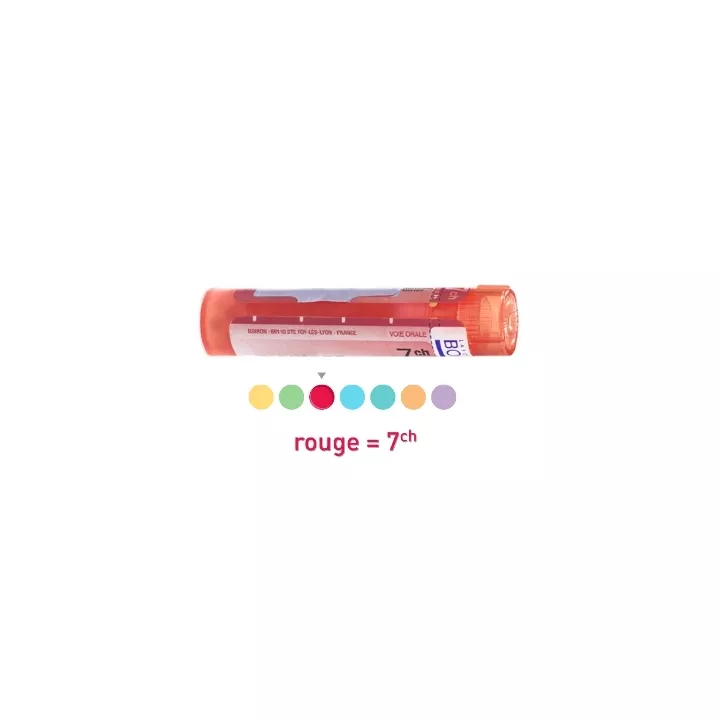
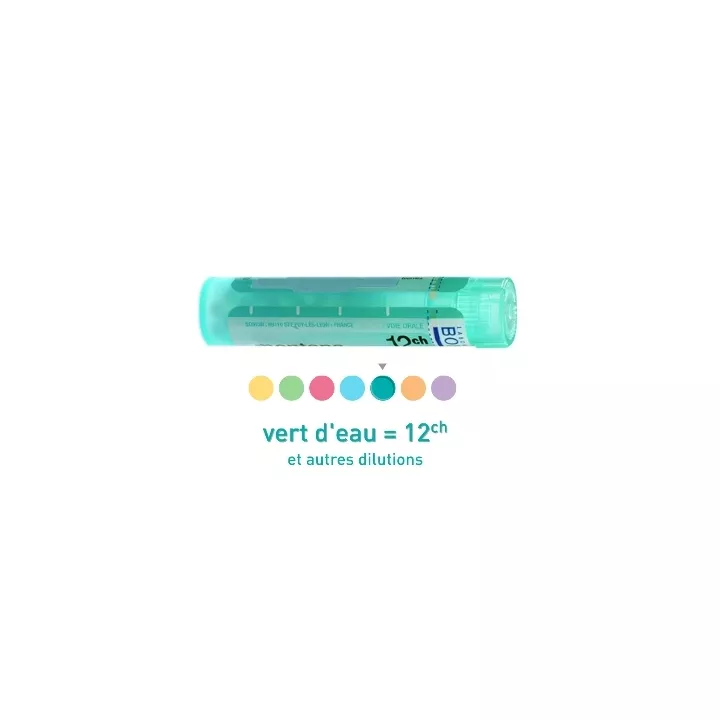
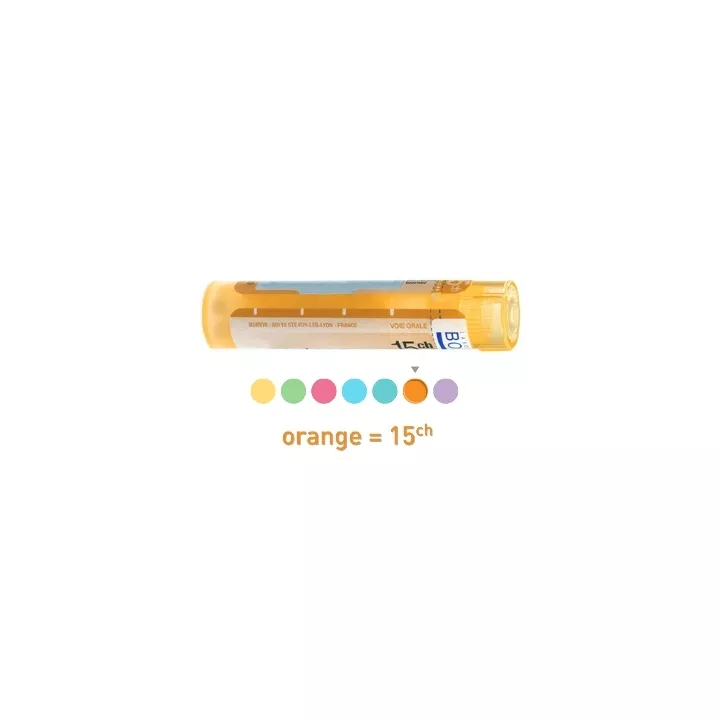
Lycopodium clavatum 4CH, 5CH, 7CH, 9CH, 12CH, 15CH, 30CH Boiron Homeopathic Granules
Registered Medication: EH00710
Source: Plant
Lycopodium clavatum is a homeopathic remedy of spongy origin, whose mother tincture is obtained through the ethanolic extraction of bioactive molecules from the medicinal clubmoss. This remedy is widely used in homeopathy to treat behavioral disorders characterized by alternating irritability and depression. It is also used in the treatment of certain urological and dermatological conditions. Generally, homeopaths prescribe the 5 CH and 9 CH dilutions depending on the observed condition. Similarly, the duration of treatment varies depending on the symptoms.
Lycopodium is a plant sometimes referred to as “vegetable sulfur.” It belongs to the psoric constitution.
Areas of Action: Theliver; the portal system; the digestive system; the skin; the organs of the urinary system; the right side (the throat, the ovary, the chest); the brain; the lungs.
Indications and Dosage of Lycopodium Clavatum Granules
Lycopodium clavatum, also known as “wolf’s foot,” is a herbaceous plant belonging to the Lycopodiaceae family. The spores of this plant, which are its reproductive organs, are used to prepare a mother tincture. These spores are rich in sulfur, fats containing saturated and unsaturated glycerides, and lycopodine, a substance with parasympathicotonic action.
The Benefits of Lycopodium clavatum
Lycopodium clavatum addresses various health issues:
Liver and digestive disorders:
- Bloating even after eating only a small amount, with no relief from passing gas
- Discomfort caused by tight clothing around the waist
- Flushed face and drowsiness after meals
- Abdominal distension in the lower abdomen
- Heartburn
- Digestive-related migraines accompanied by visual disturbances, worsened by heat
- Metabolic problems related to uric acid, urea, and cholesterol
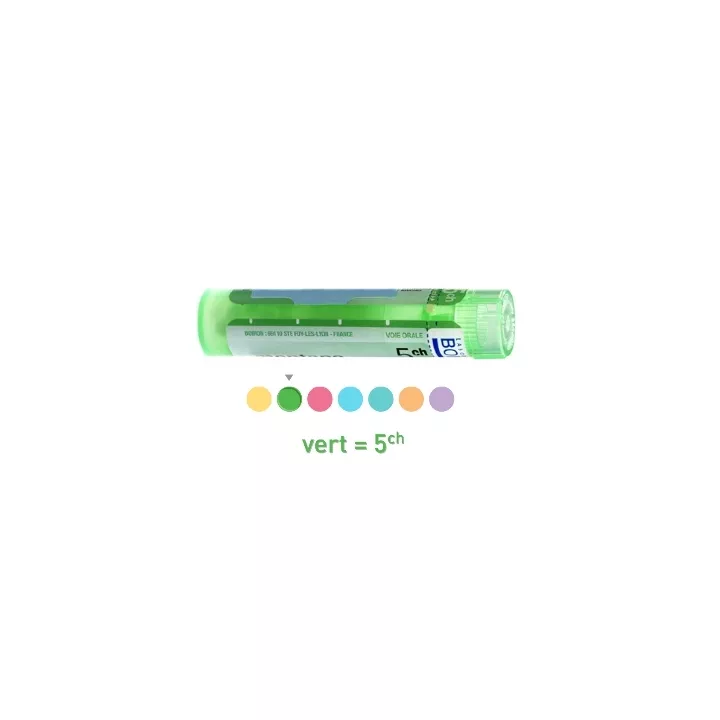
Lycopodium 5 CH: Take 3 granules 3 times a day until symptoms improve.
Urogenital disorders:
- Clear or cloudy urine containing “red sand”
- Impotence despite preserved libido
- Vaginal dryness
Lycopodium 7 CH: Take 3 granules, twice a day, for 2 to 4 weeks or until symptoms improve
Mucosal disorders:
- Crusts and blocked nostrils at night, requiring one to sleep with the mouth open
- Runny nose during the day, sore throat, and difficulty swallowing
- Symptoms of right-sided pneumonia (dry cough, glassy eyes, difficulty breathing, etc.)
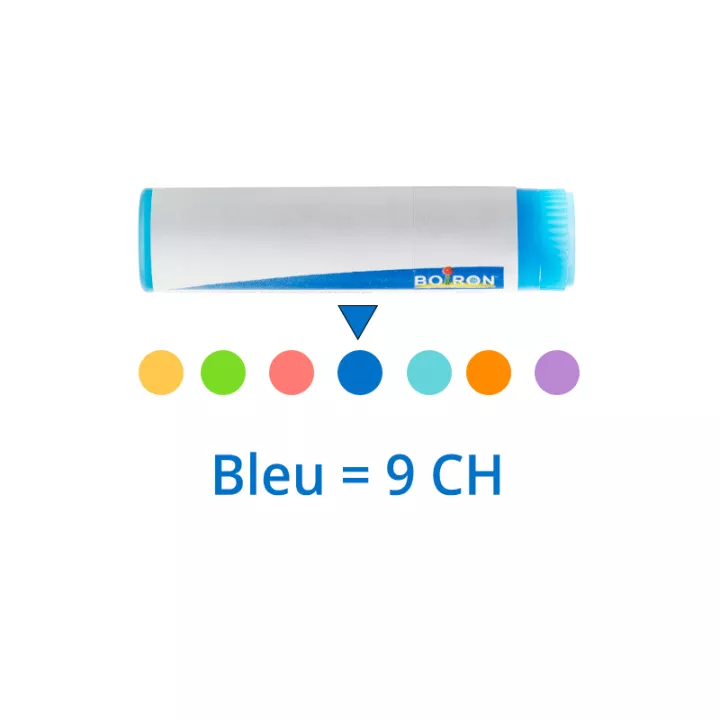
Lycopodium 9 CH: Take 3 granules, 3 times a day, for one week or until symptoms improve.
Skin disorders:
- Dry, wrinkled skin; coppery patches
- Itching relieved by cold and prone to bleeding
- Premature graying of the hair
Lycopodium 15 CH: Take 3 granules once a week for 1 to 2 months or until symptoms improve.
Neurological disorders:
- Physical and mental weakness accompanied by memory loss
- Anxiety and discouragement, especially in the late afternoon
- Facial tics
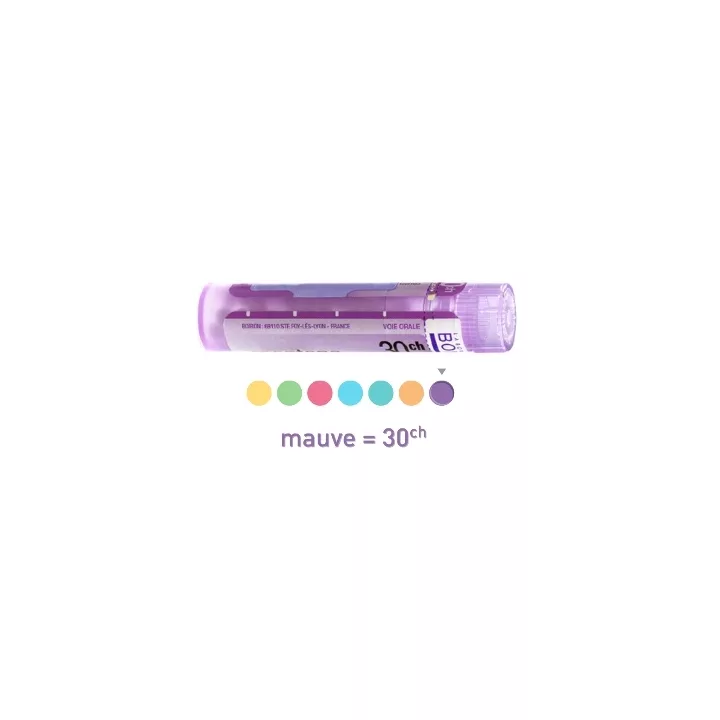
Lycopodium 30 CH: Take 3 granules once a day for 1 to 2 weeks or until symptoms improve.
It is important to note that these dosages are provided for general guidance only, and it is recommended to consult a healthcare professional, such as a homeopathic physician, for personalized advice. The dosage and duration of treatment may vary depending on the individual’s health condition and response to treatment.
Lycopodium clavatum is a plant with numerous health benefits. It can help relieve various conditions, such as liver and digestive, urogenital, mucosal, skin, and neurological issues. However, it should be used in accordance with the recommended dosages and under the guidance of a healthcare professional.
Homeopathic remedies can be used to treat a variety of symptoms.
Main Indications
Morning dizziness. Anticipatory anxiety, stage fright. Disturbances following an outburst of anger. Dyslexia. Chronic inflammation of the tonsils. Eczema associated with kidney and liver disorders. Liver disorders. Gallstones and kidney stones. Rheumatic diseases. Venous congestion. Leg ulcers. Hemorrhoids. Constipation, flatulence (often related to liver conditions). Colic in infants.
The homeopathic physician selects the dilution and dosage appropriate for the patient’s health condition and characteristic symptoms.
Directions for Use and Instructions for Lycopodium Clavatum Granules
Lycopodium is a homeopathic remedy widely used to treat various conditions. This remedy is used based on “modalities,” that is, the circumstances under which symptoms appear or worsen. In this article, we will examine the uses and recommended dilutions for Lycopodium.
Treatment of Localized Conditions
When used to treat purely local conditions such as digestive problems, Lycopodium is administered in low dilutions. The recommended dosage is 5 granules of 5 CH before meals and when symptoms occur.
For example, for dyspepsia, it is recommended to use Lycopodium 5 CH in combination with Carbo Vegetabilis 5 CH and Nux Vomica 5 CH—3 granules of each, taken alternately three times a day until improvement is seen. For food poisoning caused by oysters, it is recommended to take 3 granules of Lycopodium 5 CH three times a day, combined with Arsenicum Album 5 CH and Pyrogenium 5 CH.
To treat right-sided pneumonia, the recommended dosage is 3 granules of Lycopodium 7 CH three times a day.
Recommended Dosage for Gastroenterological Disorders
To treat digestive disorders, particularly abdominal bloating in the lower abdomen, take 3 granules of Lycopodium clavatum 9 CH until the symptoms subside.
In infants, a single dose of the medication is sufficient to treat digestive disorders. However, in cases of constipation, it is necessary to administer 10 granules of Lycopodium clavatum 5 CH. A child suffering from a spasmodic constriction of the anus and experiencing pain during bowel movements should be treated with Lycopodium clavatum 5 CH. In other cases, it is advisable to consult a therapist.
Recommended Dosages for Behavioral Disorders
For behavioral disorders in children, treatment should consist of 3 granules of Lycopodium clavatum 5 CH at bedtime. If the child wakes up during the night, the same dose should be given. If the child sleeps with their eyes half-open, the recommended dilution is 9 CH.
Recommended Dosages for Urological Conditions
To effectively treat urological disorders, the patient should be given Lycopodium clavatum 9 CH.
Lycopodium Dosages for ENT Conditions
To treat cases of ear infections, laryngitis, and hay fever, the required dilution is 9 CH. However, in the most severe cases, the required dilution is 15 CH.
Recommended Dosages for Dermatological Conditions
To treat dermatological conditions, take 3 granules of Lycopodium clavatum 5 CH three times a day. If the condition is severe, this remedy may be combined with China rubra.
Treatment of General Conditions
For general conditions, higher dilutions administered at longer intervals are used. It is recommended to take one dose of Lycopodium in 15 or 30 CH every 14 days, adjusting as needed based on the patient’s response.
For example, for a child with atopic eczema who has a strong personality, advanced intelligence, and great willpower, Lycopodium is the recommended foundational remedy.
Treatment of Nervous Disorders
To treat nervous disorders, it is recommended to use higher dilutions of Lycopodium, such as 15 or 30 CH. The recommended dosage is five granules per day, or one dose per week or per month.
For example, in a person with facial tics and a strong personality, it is recommended to take one dose of Lycopodium 15 CH every 15 days, in combination with Agaricus Muscarius 5 CH and Natrum Muriaticum 7 CH—three granules of each, taken alternately three times a day until improvement is seen.
Recommended Dosages for Metabolic Disorders
To treat metabolic disorders with Lycopodium clavatum, the required dilution ranges from 7 to 15 CH. However, in the most severe cases, recommended dilutions may go as high as 30 CH.
Simultaneous Use of High and Low Dilutions
It is not uncommon for high dilutions of 15 or 30 CH (for maintenance therapy) and low dilutions of 7 or 9 CH (for symptom relief) to be prescribed simultaneously for the same patient.
- Turn the tube to dispense the desired number of granules into the cap, then place the granules under the tongue.
- It is recommended not to touch the homeopathic granules with your fingers.
- Use a mint-free toothpaste (such as Boiron’s Homéodent, a toothpaste compatible with taking homeopathic granules).
Packaging and contents of Lycopodium Clavatum granule tubes
Translucent granule tube. Weight: 4 g. Approximately 80 granules.
Lycopodium is a homeopathic remedy widely used to treat a variety of conditions, depending on the specific indications. It is important to follow the recommended dilutions and dosages to achieve optimal results. If you are considering using Lycopodium to treat a condition, consult a qualified homeopath for personalized advice.
Precautions
Warning
Contains sucrose. Store Lycopodium clavatum homeopathic remedies away from light, heat, and moisture.
Administering Homeopathic Granules to Infants and Children
Lycopodium clavatum homeopathic granules should be dissolved in 100 ml of water. Since the granules take a long time to dissolve, you should prepare the mixture in advance.
Homeopathy and Pregnancy
Lycopodium clavatum homeopathic remedies have no chemical toxicity, no contraindications, no interactions with other medications, and no adverse effects related to the amount ingested. Pregnant women can use this remedy without any known risk to themselves or their unborn child, but it is best to seek advice.
Frequency of Homeopathic Use
For acute conditions, it is recommended to take Lycopodium clavatum homeopathic remedies every hour until symptoms improve.
For chronic conditions, remedies in low dilutions (>9CH) are taken 1 to 2 times a day, while constitutional remedies are taken once a week or even once a month. This decision is up to the homeopath.
What to Do If There Is No Improvement Within 24 Hours
Certain conditions cannot be treated with Lycopodium clavatum homeopathy through self-medication alone. Their severity requires medical advice, which can be provided by a homeopathic physician. This physician will determine whether your condition can be treated with homeopathy alone or whether your treatment should be supplemented with allopathic medicine.