Why do gums become irritated, and what does this inflammation indicate?
Gums are soft tissues that surround and protect the teeth and jawbones. They play an essential role in oral health but are also particularly vulnerable to irritation, bacterial imbalances, and improper oral care practices.
When the gums become red, swollen, painful, or bleed during brushing, this is referred to asgum irritation. This symptom, which is often dismissed as trivial, is actually an early sign of inflammation and can sometimes be a precursor to more serious conditions such as gingivitis or periodontitis.
Gum irritation should never be ignored: it reflects an imbalance in the oral microbiome, poor oral hygiene, or weakened gum tissue. If left untreated, it can lead to receding gums, chronic pain, or infections.
What are the main causes of gum irritation?
Gums can become irritated due to many factors, which often act in combination:
- Dental plaque: The buildup of bacterial biofilm at the gumline is the primary cause of inflammation.
- Tartar: As plaque mineralizes, it turns into tartar, which worsens irritation and promotes bacterial growth.
- Improper brushing: Brushing too vigorously or with a hard-bristled toothbrush can damage the gum tissue.
- Inadequate oral hygiene: Incomplete cleaning promotes chronic inflammation.
- Orthodontic appliances, dentures, or braces: sources of friction or food retention.
- Hormonal changes: Pregnancy, menopause, or puberty can increase gum sensitivity.
- Nutritional deficiencies: particularly in vitamins C and D, or immune cofactors.
- Tobacco and alcohol: weaken tissues and reduce local immunity.
- Systemic diseases: Diabetes, immunosuppression, or digestive disorders can affect gum health.
What are the signs to watch for in cases of gum irritation?
Irritated gums are characterized by several telltale symptoms:
- Redness, swelling, and a smooth, shiny appearance
- Sensitivity to brushing or touch
- Spontaneous bleeding or bleeding during cleaning
- Persistent bad breath (halitosis)
- Gums that recede or create gaps between teeth
- Metallic taste in the mouth
These signs should prompt you to quickly establish an appropriate oral hygiene routine and to consult a dentist if the symptoms persist.
What products should be used to relieve and treat gum irritation?
The treatment of gum irritation relies on thorough oral hygiene and specific care aimed at reducing inflammation, strengthening the gums, and restoring the balance of the oral microbiome.
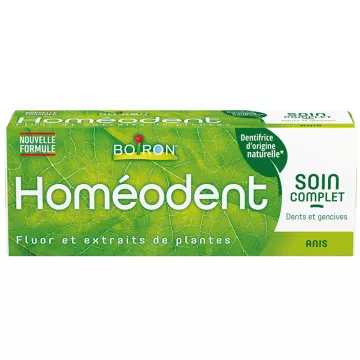
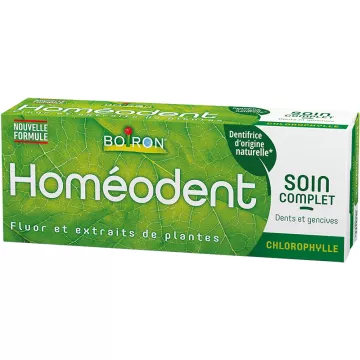
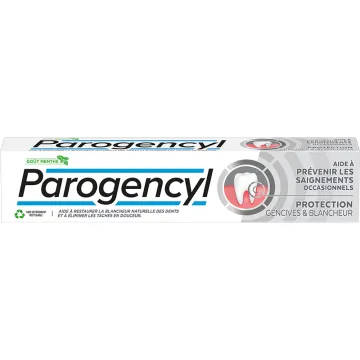
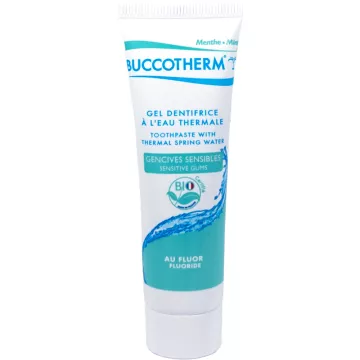
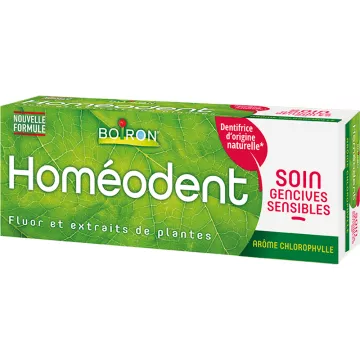
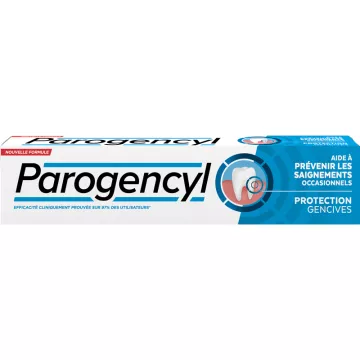
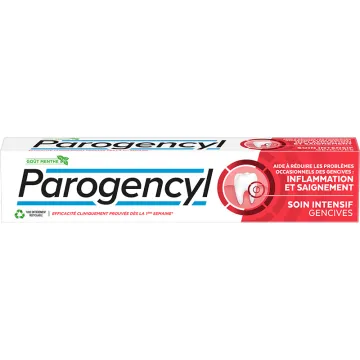
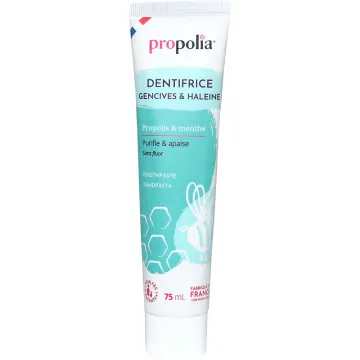
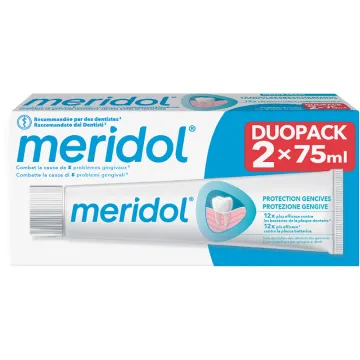
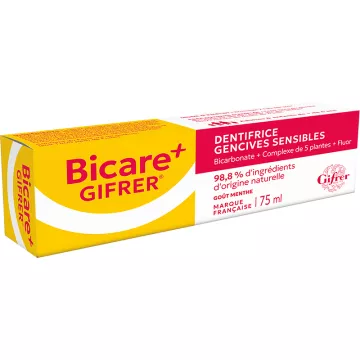
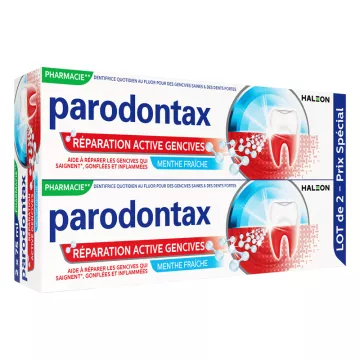
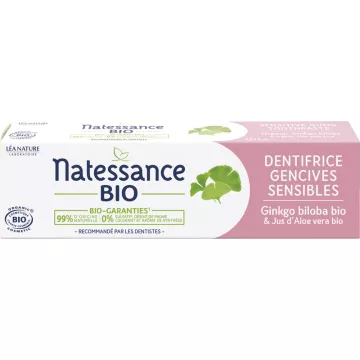
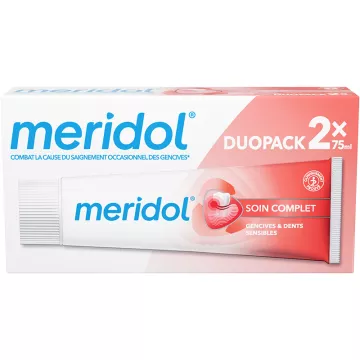
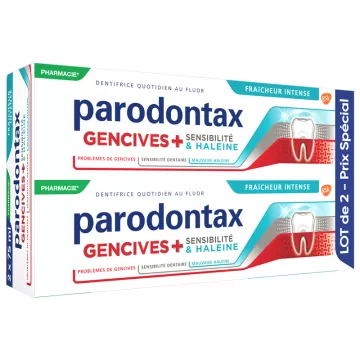
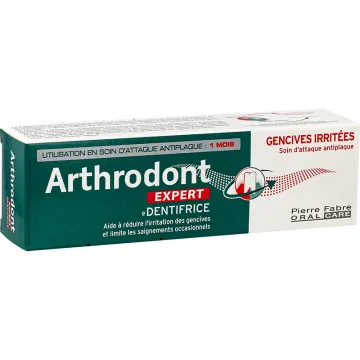
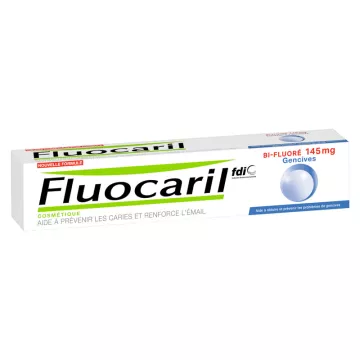
Toothpastes specifically formulated for sensitive gums
- Contain anti-inflammatory active ingredients (chlorhexidine, fluoride, zinc, bicarbonate, allantoin)
- Strengthen the gums and limit bacterial growth
- Mild formulas, free of abrasive agents, suitable for delicate gums
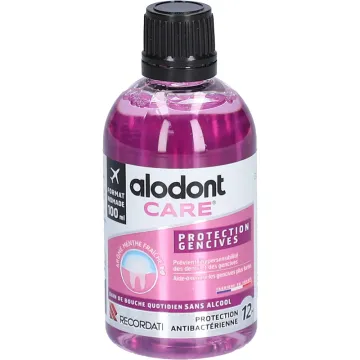
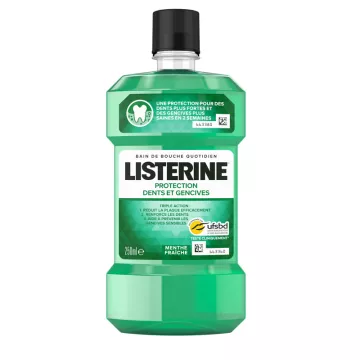
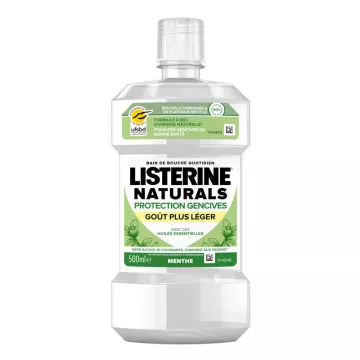
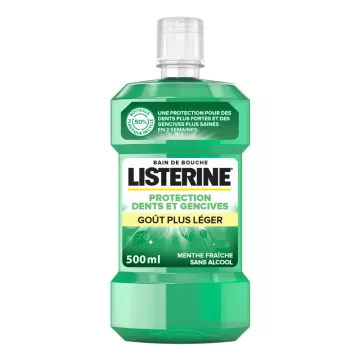
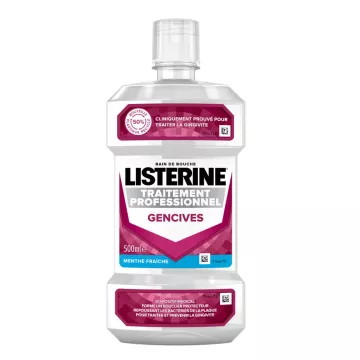
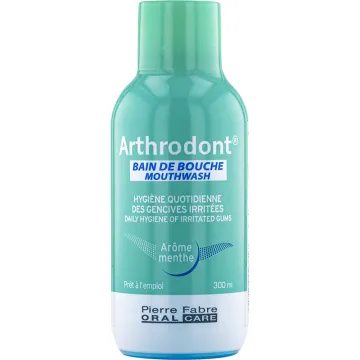
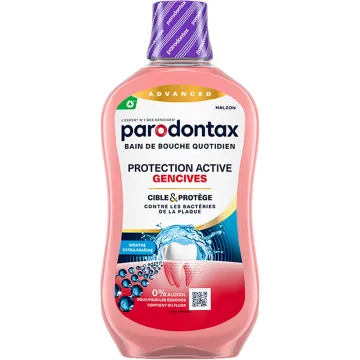
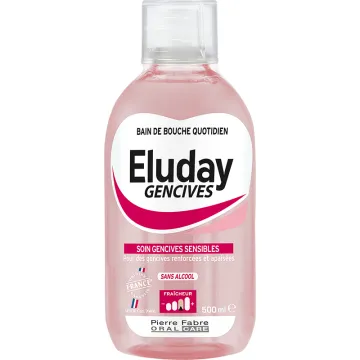
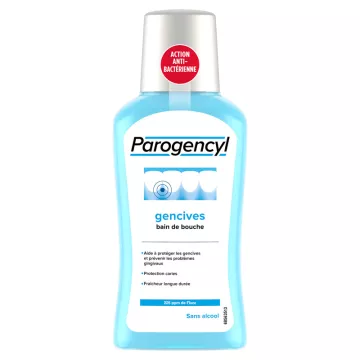
Antiseptic or soothing mouthwashes
- Contain chlorhexidine, essential oils, or plant extracts
- Reduce bacterial load, soothe inflammation, and promote healing
- Use as a short course of treatment or daily, depending on tolerance
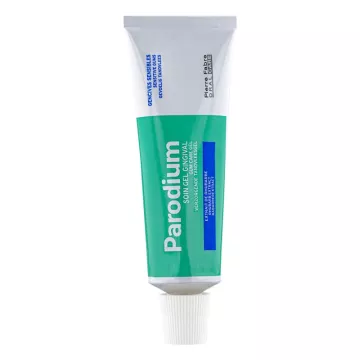
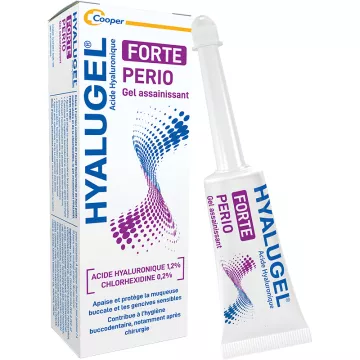
Gum gels or sprays
- Targeted action on painful areas
- Valuable after dental procedures, tooth extractions, or in cases of injured gums
- Sometimes contain propolis, ratanhia, sage, or chamomile
Dietary supplements
- Vitamins C and D, coenzyme Q10, and zinc: to strengthen gum tissue
- Oral probiotics: to restore balance to the oral flora and reduce inflammation
Soft or extra-soft toothbrushes
- Essential for preventing further microtrauma
- Replace every 2 to 3 months
Are there any natural remedies to soothe irritated gums?
Yes, several plant-based active ingredients are traditionally used for their anti-inflammatory, astringent, or healing effects on the gums:
- Ratanhia: astringent, toning, helps reduce bleeding
- German chamomile: soothing, healing
- Common sage: antiseptic, effective against gingivitis
- Propolis: antibacterial, promotes mucosal regeneration
- Aloe vera: softening, moisturizing, and protective
- Blueberry, green tea, clove: rich in tannins and polyphenols
These plants can be used in mouthwashes, gels, or as a paste made from mild clay.
What daily hygiene habits should you adopt to protect your gums?
Adopting a gentle yet thorough routine is the best way to prevent gum irritation:
- Brush your teeth 2 to 3 times a day with a soft-bristled toothbrush and a specialized toothpaste
- Floss or use interdental brushes daily
- Rinse your mouth with a mild mouthwash, especially after meals
- Avoid foods that are too acidic, sugary, or spicy
- Do not smoke
- Get your teeth professionally cleaned regularly (1 to 2 times a year)
What oral care products can you find on the Soin-et-Nature website?
Soin-et-Nature offers a wide range of oral care products suitable for the whole family and designed to meet everyone’s specific needs. Here are the main categories available:
- For effective daily cleaning, a variety of toothpastes are available to prevent cavities, protect gums, or whiten teeth.
- For specialized care tailored to sensitive teeth, the Elmex toothpaste line offers gentle, protective formulas.
- To soothe gum irritation, targeted toothpastes help reduce inflammation and maintain the balance of the oral mucosa.
- For specialized care tailored to sensitive teeth, gentle formulas help strengthen enamel and reduce discomfort caused by hot, cold, or sugary foods and drinks.
- For optimal brushing tailored to all needs, a wide selection of manual and electric toothbrushes is available.
- To complete your oral hygiene routine, mouthwashes provide long-lasting protection against bacteria and fresh breath.
- For sensitive gums, soft-bristled toothbrushes ensure gentle cleaning while maintaining oral balance.
- For maximum plaque removal, electric toothbrushes provide deep cleaning and improved oral hygiene.
- To clean between teeth, dental floss offers a practical solution for removing hard-to-reach food particles.
- To relieve pain associated with canker sores and oral irritation, specific solutions are available for fast-acting relief and soothing effects.
- For the care of dental appliances and dentures, specialized products ensure their cleaning and protection.
- To restore a radiant smile, products designed to whiten teeth help preserve and enhance their natural luster.
- For precise cleaning between teeth, interdental brushes are ideal for complementing your daily routine.
- For fresh breath all day long, targeted products effectively neutralize bad odors.
- For young children, toothbrushes specially designed for their small hands ensure a fun and age-appropriate brushing experience.
- To protect children’s teeth with gentle formulas, children’s toothpastes are tailored to their specific needs.
These oral care products, available on Soin-et-Nature, allow you to adopt a comprehensive and tailored routine to maintain the oral health of you and your family.