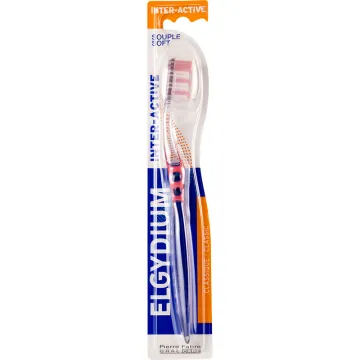
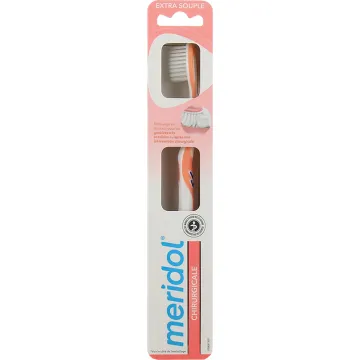
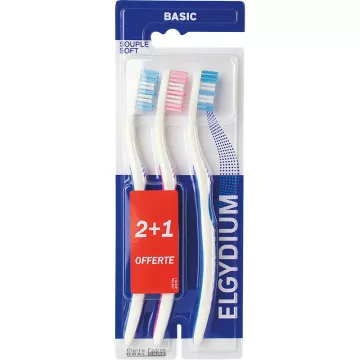
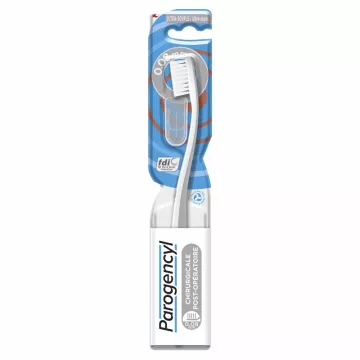
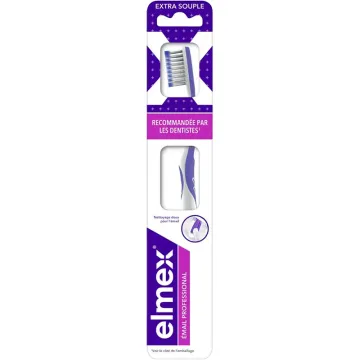
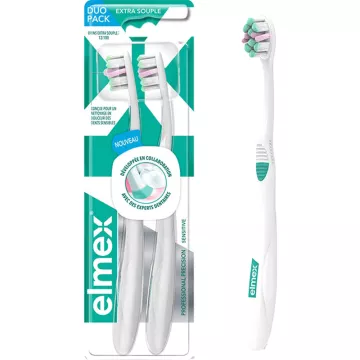
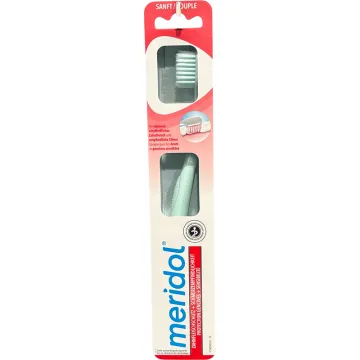
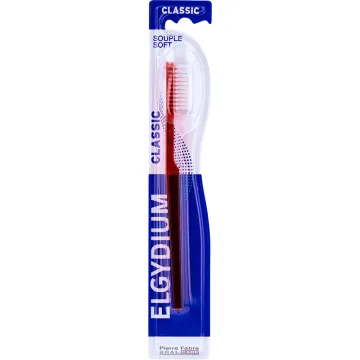
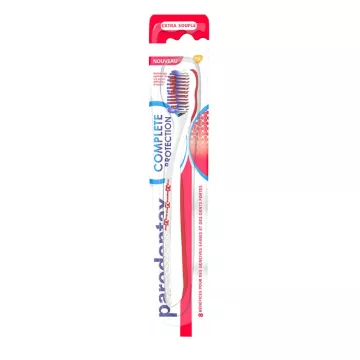
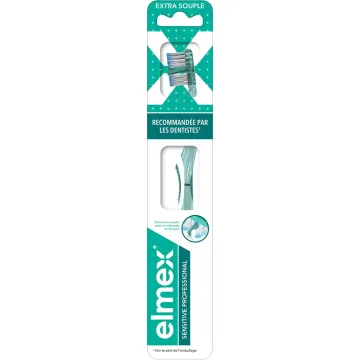
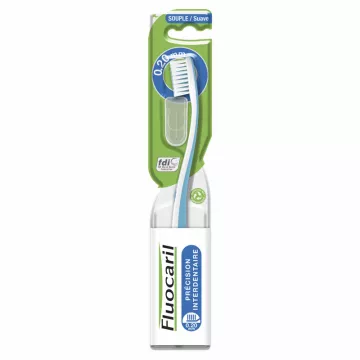
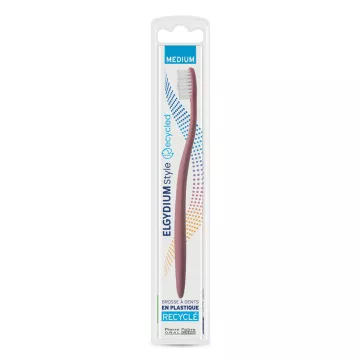
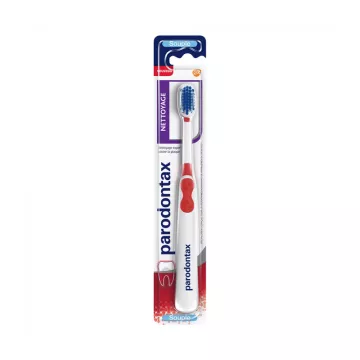
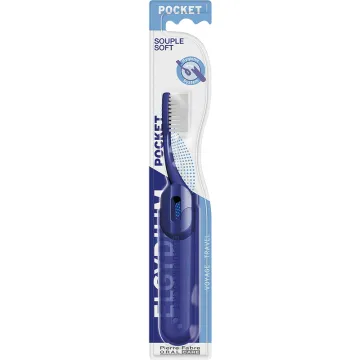
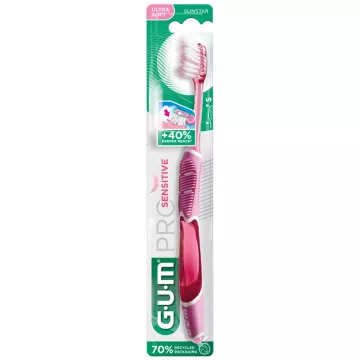
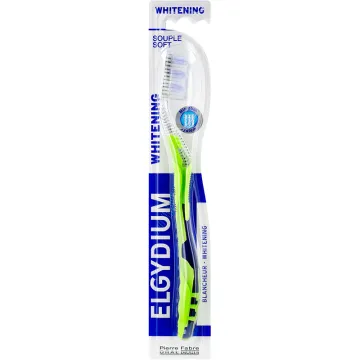
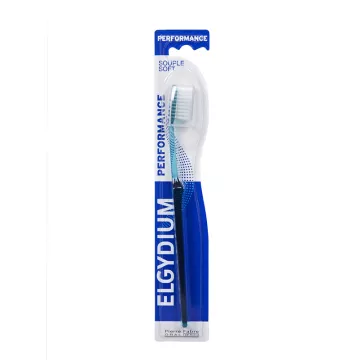
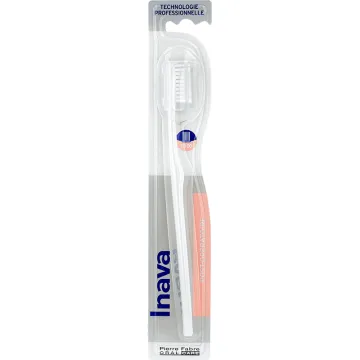
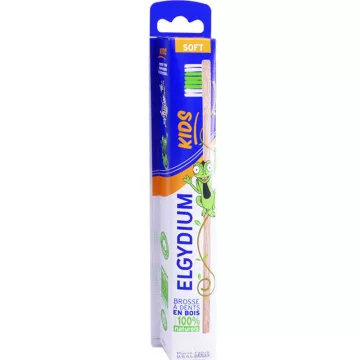
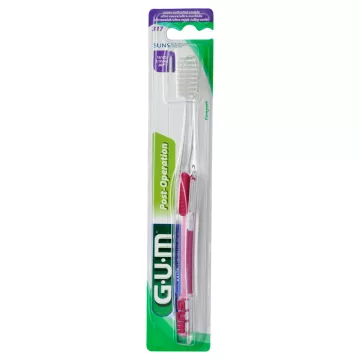
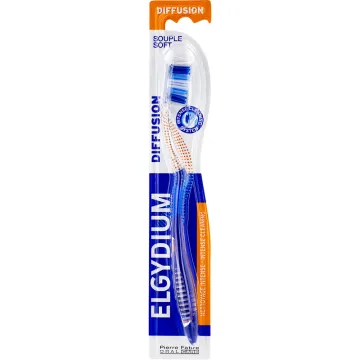
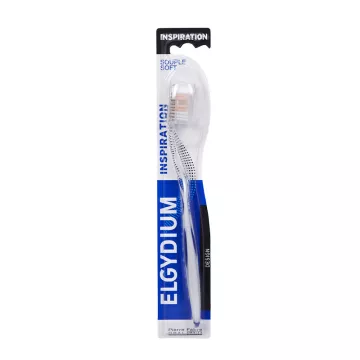
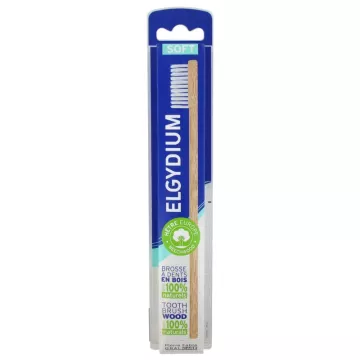
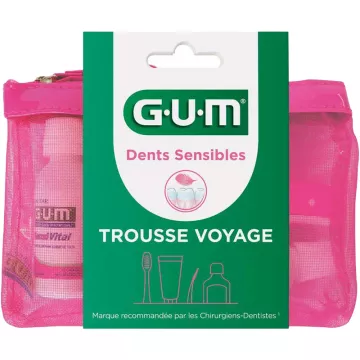
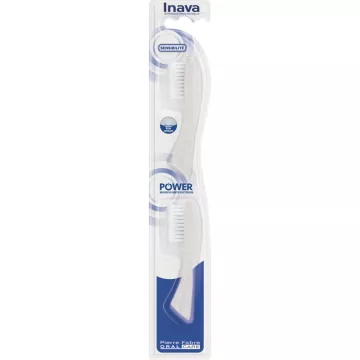
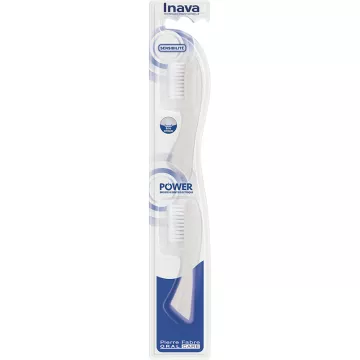
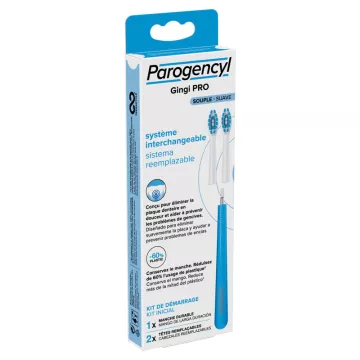
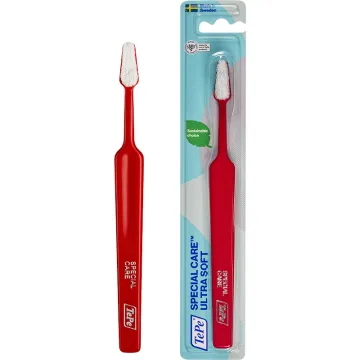
When your gums are sensitive or brushing becomes uncomfortable, a soft-bristled toothbrush can really make a difference. Gentle yet effective, they clean without causing irritation, while protecting your enamel and sensitive areas. At Soin-et-Nature, we’ve curated a selection of models designed for sensitive mouths or those wearing orthodontic appliances: fine bristles, ergonomic heads, everyday comfort… for gentle oral hygiene.
More detailsFor the vast majority of consumers, a good soft-bristled toothbrush is one that lasts as long as possible. That’s a big mistake—over time, it’ll end up costing you more. So, how do you choose the right toothbrush?
Soft-bristled toothbrushes are gentler ontooth enamel and gums. They’re therefore especially recommended for people with sensitive gums or teeth. If you’re prone to bleeding, avoid any bristles other than soft ones. Contrary to popular belief, soft-bristled toothbrushes effectively remove plaque because the bristles interlock and slip into the gaps between teeth.
There are three main categories of manual toothbrushes: soft, medium, and hard. These terms refer to the stiffness and density of the bristles. Soft-bristled toothbrushes are the ones most recommended by dentists, as they provide the best protection for tooth enamel while effectively removing debris and plaque. Particularly suitable for people with sensitive gums, a soft-bristled toothbrush is also ideal during pregnancy. During this time, gum inflammation and bleeding are more common, so it’s important to brush your teeth as gently as possible.
Medium-bristled toothbrushes are the most common on the market but aren’t the most recommended for your mouth. It’s best to choose a soft-bristled model, which is gentler on tooth enamel and gums. Furthermore, soft bristles remove plaque just as effectively because they interlock and slide into the spaces between your teeth. The best option is to choose a toothbrush with alternating long and short bristles.
Optfor a small brush head for a thorough clean; however, it can vary in length and/or width. Choose one that fits the size of your mouth. Keep in mind that a small brush head makes it easier to clean your back teeth and the inner surfaces of your teeth.
Opt for a flexible handle for a thorough clean. The ideal handle? It’s lightweight and has rounded edges, providing comfort and freedom of movement while brushing. Applying too much pressure with the brush on your gums can damage them.
Soft-bristled toothbrushes: Discover our entire new line of soft-bristled toothbrushes in the oral care section of your online organic pharmacy.
The key factors to consider before buying a toothbrush are the bristles, the head, and the handle. The main differences between soft-bristled toothbrushes lie in the stiffness of the bristles, the shape of the head, and the shape of the handle. The number one factor is undoubtedly bristle firmness—the softer they are, the less they’ll damage your enamel and gums.
Contrary to popular belief, stiff bristles aren’t the best for removing sugar and other bacteria from our teeth. On the contrary, it is universally agreed that you should use a toothbrush with soft bristles. These bristles are gentler and do not damage the enamel. Furthermore, they glide more easily into hard-to-reach areas prone to cavities: the spaces between the teeth.
Here are some tips for using the toothbrushes you’ll find in the “Toothbrushes” category of our online pharmacy:
By following these tips, you can fully enjoy the benefits of our soft-bristled toothbrushes for optimal oral hygiene.
Several factors can cause tooth sensitivity, such as enamel erosion and exposed tooth roots. But this sensitivity can also be caused by:
Soin-et-Nature offers a wide range of products to maintain your oral health and meet the specific needs of the whole family. Here are the available categories:
These oral care products, available on Soin-et-Nature, effectively meet your needs and help preserve the health and beauty of your smile every day.